

























































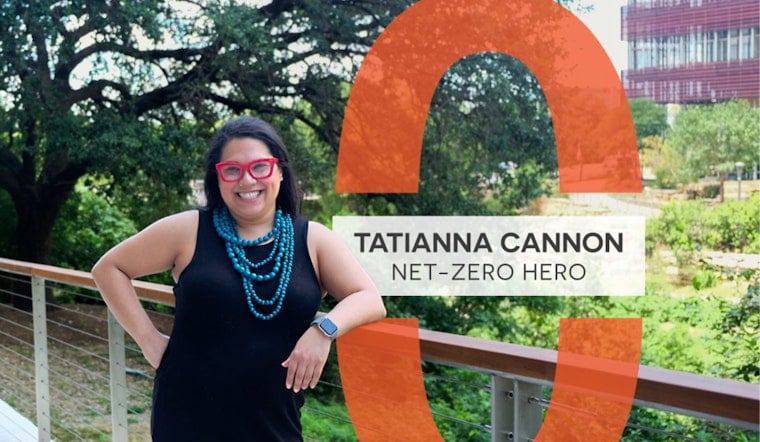
As Austin strives forward to achieve its net-zero objectives, Tatianna Cannon stands out as a local change-maker, carving out green career pathways for those often left in the shadows of the environmental movement. As the founder of the Green Workforce Collaborative, Cannon is combining her passions for equity and sustainability to foster inclusive growth in the city's burgeoning green economy. A recent profile by the City of Austin highlights Cannon's journey of activism that's pivoting towards climate-focused workforce development.
"I founded the Green Workforce Collaborative to center equity in Austin’s climate strategy — not just in policy, but in practice as well," Tatianna Cannon told the City of Austin. With $2.3 million in funding, her initiative is dedicated to crafting green job opportunities, especially for individuals who are unhoused or impacted by the criminal justice system. The program emphasizes the importance of supportive partnerships, integrating local organizations and employers, to ensure the net-zero transition is accessible to all.
The challenges of pushing against entrenched systems of inequity are not lost on Cannon, who acknowledges the difficulty but remains steadfast thanks to a combination of perseverance and community support. "Changing systems is hard — especially when they weren’t built for equity in the first place," she explained, but stresses the importance of celebrating small victories and nurturing a culture of joy within the movement to maintain momentum.
In a conversation about the essential role of workforce development in Austin's environmental future, Cannon articulated a direct link between empowering local talent and fostering a resilient, sustainable city. "Workforce development is climate resilience," she declared, highlighting the practical implementation of policies through training that focuses on skills like sustainable agriculture and infrastructure development. By investing in people, the strategy not only anticipates future economic shifts but also undertakes the reparative work of reconnecting the community to the land they inhabit.
For those eager to contribute to the climate resilience movement but unsure where to start, Cannon offers some clear guidance. "Start where you are. You don’t need to be an expert or have it all figured out to make a difference," she advised, advocating for incremental changes and personal passion as drivers of progress. She also suggests ways organizations can better support green career pathways: offering paid training, partnering with grassroots efforts, funding operational needs, and enabling leadership from historically excluded communities.
In a nod to further education and inspiration, Cannon recommended the book All We Can Save by Ayana Elizabeth Johnson and Katharine Wilkinson, a collection of essays from women at the forefront of climate action that serves as both knowledge and motivation. Those looking to delve deeper or engage actively in Austin's green jobs landscape can find more information on the Green Workforce Collaboration's online platform, and residents are encouraged to share their own net-zero efforts using the hashtag #NetZeroHero or by contacting the city with nominations of individuals making a remarkable difference in the local climate sphere.





