

























































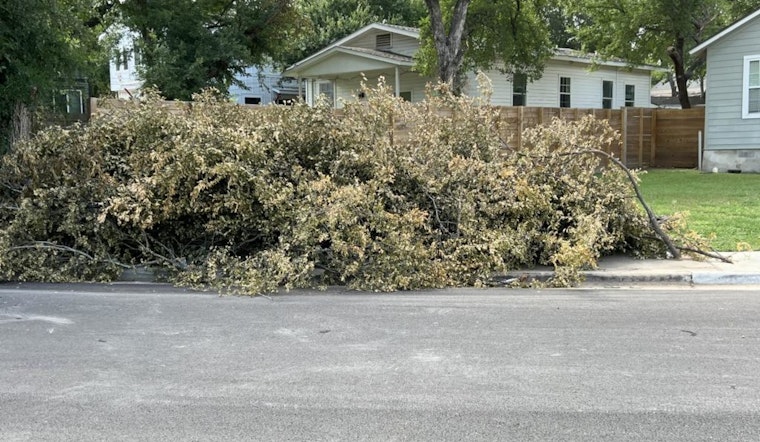
As recent weather patterns fluctuate between extreme dry spells and torrential downpours, the City of Austin is highlighting the critical task of brush removal to mitigate the risks of wildfires, flooding, and storm damage. In Austin, a city that knows these weather extremes all too well, residents are encouraged to regularly clear their properties of overgrown vegetation and debris. These measures aim to prevent obstruction in waterways that lead to flooding and to reduce fuel for potentially devastating wildfires.
According to a recent release by the City of Austin, debris like fallen tree limbs and accumulated brush can hinder water flow, increasing the risk of flooding after heavy rains. They also become dangerously flammable during droughts, presenting a risk that, if unchecked, can lead to neighborhood-wide destruction. For smaller brush removal, Austin's composting collection welcomes yard trimmings and branches up to five feet in length every week. Items too large to fit in a green cart can accompany the cart curbside, up to 15 extra items per household.
The City has also made provisions for larger brush that won’t fit in the green composting bins. Through the Austin Recycles app or by calling 3-1-1, residents can easily schedule an on-demand collection for larger items. The collected material is not just disposed of; it is recycled, turned into mulch or compost, becoming part of the city's Dillo Dirt program. For those willing to do the drop-off themselves, the Hornsby Bend Biosolids Management Plant is open for yard trimmings and large brush disposal, with no appointment necessary.
When undertaking brush removal, the City offers a number of recommendations for a safe and effective process. Survey the property first—identify the critical areas that need maintenance. Don't dump debris into creeks, tempting as it may be, as this contributes to flood risks. Protective gear is a must—gloves, safety glasses, and sturdy shoes will shield you from harm. And it's not just the yard that needs attention: roofs and gutters should be kept clear, and installing ember-proof screens can make homes more resistant to fire. By starting with larger trees and then working down to the smaller vegetation, pruning trees to keep branches at a safe distance from the ground and the home can make a significant difference in safety.
For more details on the brush collection procedures, guidelines for safe removal, and other related services, residents can visit the City of Austin's official page. These measures, though they may seem minor on the individual level, collectively contribute to the resilience of our community, promising a little more safety from the whims of nature's mood swings.




