

























































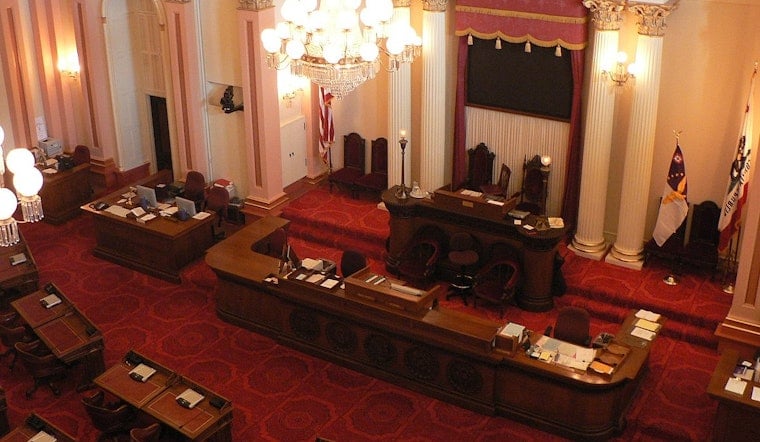
Today marks the emergence of new legislation in California, as the state ushers in a slew of laws aiming to boost worker pay, safeguard consumer rights, and reinforce public mental health support. These enactments mirror Governor Gavin Newsom's broader agenda to address the contemporary challenges faced by Californians.
One of the pivotal changes to take note of is the significant rise in the minimum wage across multiple Californian cities, as reported by KTLA. Starting Tuesday, workers in locales like Los Angeles, Pasadena, and San Francisco will see their wages climb, with cities such as Berkeley and Emeryville reaching hourly rates as high as $19.18 and $19.90, respectively. This move aims to better align the minimum compensation with the formidable cost of living that defines many of these urban centers.
Educational institutions are now mandated to steadfastly support their students' mental health. According to CBS News, SB 1063 obligates schools serving seventh to twelfth graders to include the 988 Suicide and Crisis Lifeline on student IDs, as well as offering a QR code that points swiftly to local mental health resources.
Ensuring consumer protection, businesses are now legally bound to allow customers to cancel online subscriptions as effortlessly as they were able to sign up, as mentioned in FOX LA. Assembly Bill 2863 requires that companies not only acquire "affirmative consent" before renewing consumer subscriptions but also provide a cancellation process that is straightforward and unobstructed.
Moreover, bars are stepping up safety measures with AB 2375 mandating lids provided upon request to help prevent drink spiking, as detailed by CBS News. These regulations extend to the availability of drug test kits and safety information notices— part of a broader initiative to tackle issues of customer safety in nightlife settings.
Transparency in short-term rental pricing gets a nudge with AB 2202, which prohibits hidden cleaning fees. Outlined by FOX LA, the law obliges rental platforms like Airbnb to disclose any additional charges or tasks expected of guests before they complete their stay, under threat of a substantial penalty for non-disclosure.





