

























































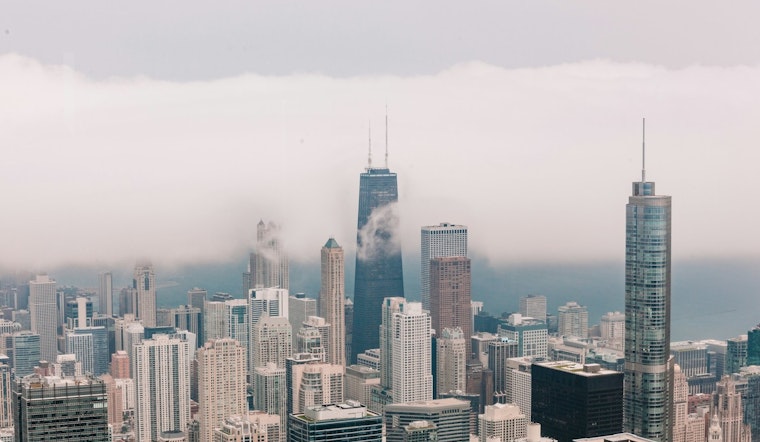
Chicagoans are facing an environmental hazard as the city's air quality plummets, earning the dubious distinction of having the worst air quality in the world, surpassing other global cities according to data from Swiss air-technology company IQ Air, the Chicago Sun-Times reports. The Windy City was engulfed in a haze of Canadian wildfire smoke, dragging its air pollution ratings below Kinshasa of the Democratic Republic of Congo and Minneapolis, also affected by the Canadian fires.
Brian Urbaszewski, director of environmental health programs at the Chicago-based Respiratory Health Association, conveyed the gravity of the situation to the Chicago Sun-Times, stating, "The air quality is officially dangerous in Chicago," and warned that the polluted air could have serious consequences, including sending people to the emergency room or causing deaths. This isn't the first time Chicagoans have choked on wildfire smoke; a similar event in June 2023 also spiked the city's pollution levels. Despite usually averting the worst rankings since then, an early June spike saw Chicago again in the top three most polluted cities; the current situation is so dire that the National Weather Service has issued an air quality alert for all of Illinois through Friday.
In more localized coverage, suburban areas were not spared from the smoke's chokehold; Elgin's air quality reached "unhealthy" levels, with towns such as Rockford and Aurora also under siege by the haze, based on readings from NBC Chicago. The smoke prompted both Illinois and Indiana's National Weather Services to issue air quality alerts, and the Illinois Environmental Protection Agency declared a "red forecast air pollution action day," signifying that everyone should reduce exposure outdoors. The present circumstance draws attention to the pollutant known as PM2.5, an air quality menace measured to be well into the "unhealthy" range in the Chicago area—raising deep concerns for public health and the urgent need for actionable guidance on protective measures.
Health officials are advising locals to limit their outdoor activities and consider wearing N-95 masks to filter out harmful particulates, an actionable measure supported by Urbaszewski. Additionally, employing air purifiers and high-quality filters in central AC systems can help mitigate indoor pollution, these precautions are critical as Chicago's air quality is forecasted to remain at "unhealthy for sensitive groups" before improving incrementally over the weekend to a "moderate" pollution level, according to the Illinois EPA forecast; families with members suffering from respiratory conditions such as asthma are urged to take these recommendations seriously to protect vulnerable individuals from the detrimental effects of the poor air quality.





