

























































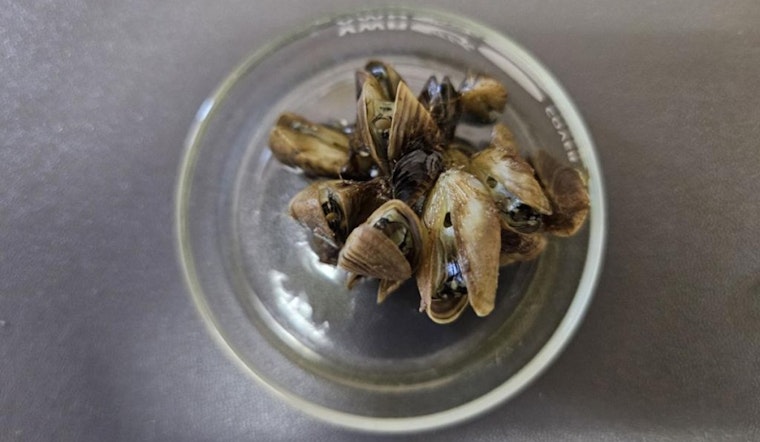
Colorado's aquatic ecosystem faces an ongoing battle against invasive species as zebra mussels continue to rear their filtering heads in more locations. According to Colorado Parks and Wildlife, adult zebra mussels have been discovered in western Eagle County. CPW Director Jeff Davis acknowledged the find with a somber tone, “This news is a direct result of increased sampling efforts,” highlighting the gravity of the situation while commending the diligence of the Aquatic Nuisance Species (ANS) staff.
With a presence now confirmed in a privately owned water body, swift action is key to prevent further spread. Staff are to quickly evaluate methods to rid the waters of this invasive species. “Every new detection puts us one step closer to achieving this desired outcome," said Robert Walters, CPW Invasive Species Program Manager, as per Colorado Parks and Wildlife. Intensive sampling has indeed been a focus for the CPW, as efforts stretch along the Colorado River, with no adult zebra mussels yet found in the Eagle or Roaring Fork rivers.
Meanwhile, the CPW's ANS team also reports worrisome findings at the Colorado River, where samples have tested "positive” for zebra mussels from the confluence of the Roaring Fork River to the Colorado-Utah border. The ANS lab has confirmed veligers, zebra mussel larvae, in samples collected in June. It's a worrying trend that extends to other water bodies like Highline Lake and Mack Mesa Lake, both hitting the alarms for confirmed zebra mussel presence.
Highline Lake's issue has been a particular thorn, notwithstanding the huge CPW efforts to contain the infestation through rigorous boat decontamination protocols. Now, with mussels also found in Mack Mesa, the State Park's waters add to the list of "infested" sites. Boaters are urged to comply with containment measures, which require them to clean, drain, and dry their vessels upon exiting lakes, or they must be decontaminated. The protocol is clear, yet there's an all-hands-on-deck necessity to abide by these regulations to mitigate the spreading issue.




