

























































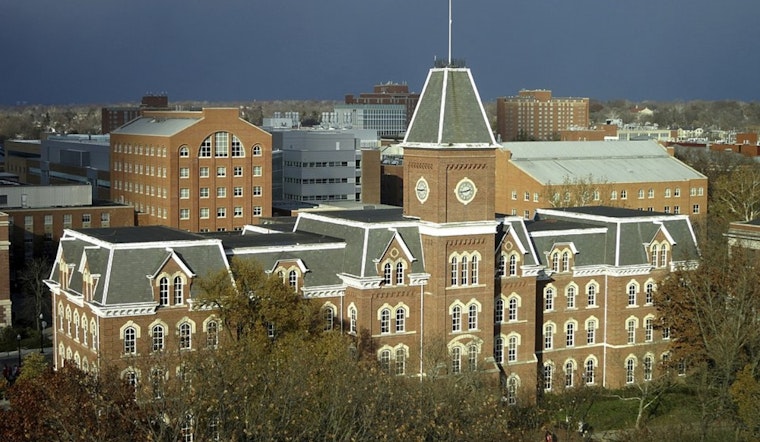
As summer break rolls in, teachers from the greater Columbus area aren't taking a break. Instead, they're gearing up for the upcoming academic year by joining the STEAMM Rising Summer Institute, a cooperative effort by the city of Columbus, Columbus City Schools, and local colleges like Ohio State and Columbus State Community College. The program is laser-focused on fostering innovation in classrooms through Science, Technology, Engineering, Art, Mathematics, and Medicine education.
The Bureau of Labor Statistics projects a robust 10.8% growth rate for STEM jobs as opposed to a 5.3% growth rate in other sectors through 2031. With companies like Intel, Google, and Amazon pumping nearly $54 billion into the region, Columbus is quickly becoming a tech job magnet, calling for a workforce that's equipped with the right skills. In light of this, educators, like the hundred who've enrolled in the program, are looking to revamp their curricula to prepare students for these careers from a young age.
"One of the major challenges with workforce development is reaching students at key points in their lives and encouraging them to pursue new lines of learning. When teachers bring manufacturing into their classrooms, they introduce students to new career pathways that they may have otherwise never known," Samantha Trzinski, director of education outreach & workforce development with the U.S. National Science Foundation HAMMER-ERC based at Ohio State, told Ohio State News.
Interactive experiences are a big part of the program. They've got College of Nursing demos, material sciences breakdowns, and the Department of Anthropology, among others, showing teachers how to scale STEAMM concepts for any classroom environment. The idea is to weave in these sophisticated subjects with the fabric of everyday teaching practices, making the knowledge accessible and engaging for students from elementary to high school.
During their time at the Mars G. Fontana Laboratories within Ohio State, teachers dived into tension tests with materials like polyethylene and aircraft-grade aluminum under the guidance of Professor Elvin Beach and Laboratory Supervisor Pete Fallon. "The three materials gave them a wide range of results that facilitated conversations around material properties," Fallon explained in the Ohio State News piece. Lessons from the labs are being tailored to fit various grade levels, ensuring that these practical examples of STEAMM principles can inspire the next generation of tech-savvy minds right from their school desks.





.jpg)