

























































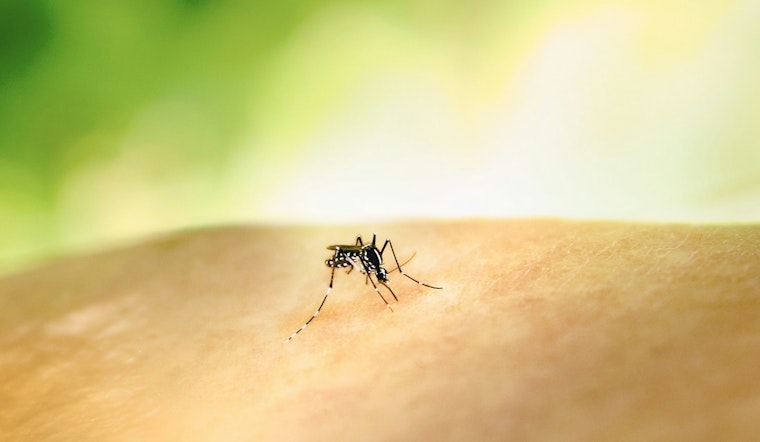
The Massachusetts Department of Public Health (DPH) has detected the Eastern equine encephalitis virus, known as EEE, in a mosquito sample from Bridgewater, sparking concerns about the potentially fatal virus in the area. The affected mosquito was collected last Tuesday, and officials are emphasizing the need for preventative measures against mosquito bites to contain the disease. So far, no instances of the virus have been reported in humans or animals in Bridgewater, or across Massachusetts this year.
According to a statement obtained by MassLive, Town Manager Justin Casanova-Davis confirmed the presence of EEE in the local mosquito population, but noted that the risk remains classified as low for EEE, and West Nile Virus. This news follows a previous detection of EEE in a mosquito sample from Belchertown last Monday, raising alerts just a day before the Bridgewater sample was collected. Last year, Massachusetts saw four human infections of EEE, one of which was fatal, and four horses were also infected, according to the DPH.
Health officials are urging the public to take active steps to prevent mosquito bites, especially during peak mosquito hours from dusk until dawn. Recommended protective measures include using insect repellent with EPA-registered ingredients such as DEET, permethrin, picaridin, or oil of lemon eucalyptus. As part of the guidance issued, Boston 25 News reported that DEET products should not be used on infants under two months old and should be utilized in concentrations of 30 percent or less for older children. Additionally, oil of lemon eucalyptus is advised against for use on children younger than three years of age.
Public health officials also recommend wearing protective clothing such as long sleeves and pants when outdoors, and ensuring that standing water around homes, where mosquitoes breed, is eliminated. Mosquito-proofing measures in homes are also essential, including ensuring that all windows and doors have tightly fitted screens to keep mosquitoes from entering indoor spaces. For animal owners, proper care includes reducing potential mosquito breeding sites and consulting with veterinarians about repellents and vaccinations against mosquito-borne diseases. If any animal is suspected of having West Nile Virus or EEE, it is required to report it to the Department of Agricultural Resources, Division of Animal Health, and to the Department of Public Health.
This situation in Massachusetts is being closely monitored by local and state health officials, and current information regarding EEE-positive results and the latest updates on the virus's status can be found on the state's public health website. With the collaborative efforts of the community in following prevention guidelines, the hope is to mitigate the spread of EEE and safeguard public health against this serious illness.





