

























































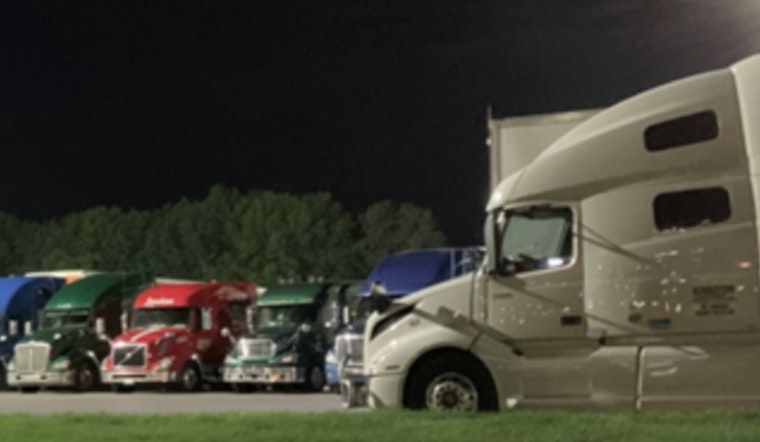
The ongoing truck parking crisis has prompted the Federal Highway Administration (FHWA) and the Federal Motor Carrier Safety Administration (FMCSA) to update their guidance on the allocation of federal funds for truck parking facilities. Truckers across the nation have faced a growing shortage of safe parking spaces, a situation that directly impacts their well-being and the safety of other road users. The revised memo, released early this morning, outlines the updated criteria and eligible uses for Title 23 and Title 49 funds in developing commercial motor vehicle (CMV) parking projects. The original memo, dated September 20, 2022, has been refreshed to better address this critical infrastructure need.
According to the memo, which was shared by MoDOT, "Parking facilities provide commercial motor vehicle operators a safe location where they can take hours-of-service rest breaks to avoid operating while fatigued." The insufficiency of truck parking creates a variety of issues, ranging from increased fatigue-related accidents to illegal or unsafe parking practices. With the updated guidance, federal funds can be better leveraged to prevent such negative outcomes, and, improve overall highway safety.
The memo comes as a response to the trucking industry's calls for increased investment in parking infrastructure. It aims to clarify the types of truck parking projects that can benefit from federal aid and the conditions under which such funds can be applied. This is expected to streamline the process for states and local entities to receive funding for the construction and maintenance of truck parking facilities.
The shortage of CMV parking has been recognized as a national safety concern, affecting not just truck drivers, but all motorists who share the road with these large vehicles. The provision for safe, accessible parking is essential for drivers to comply with federally mandated rest periods, designed to combat driver fatigue and enhance road safety.





