

























































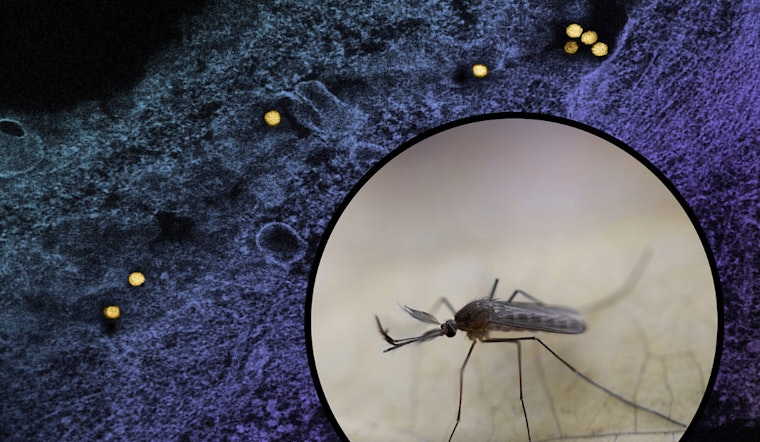
The North Carolina Department of Health and Human Services (NCDHHS) has reported the first case of West Nile virus in the state for the year 2025. The affected individual resides in Durham County, though specific details about the patient have been withheld to maintain privacy. This case marks an uptick in the annual pattern of West Nile virus infections, which tend to rise around this time each year. This information comes directly from an NCDHHS press release.
Alongside this human case, infested mosquitoes have been found during routine surveillance conducted in Pitt County. This finding underscores the concerted effort to actively monitor and to prevent the spread of the virus by the NCDHHS in collaboration with local vector control authorities. According to a statement by Emily Herring, the NCDHHS Public Health Veterinarian, "This is the time of year when West Nile virus activity typically increases across North Carolina," and this recent case "highlights the importance of preventing mosquito bites to reduce the risk of infection."
West Nile virus can lead to severe health consequences, including neurological illnesses that require mandatory reporting in North Carolina. The virus is initially carried by birds and is transferred to humans through mosquito bites, not from one person to another. While the majority of those infected won't experience symptoms, approximately 20% of individuals may develop feverish conditions along with body aches and headaches. The case for concern is heavier for about 1 in 150 individuals, as they could face potentially fatal neurological symptoms like disorientation, seizures, or paralysis. Particularly vulnerable are the elderly and those with compromised immune systems.
To protect themselves, NCDHHS advises citizens to defense actively against mosquito bites. Recommended measures include the use of EPA-registered insect repellents and wearing clothes treated with permethrin, especially during peak mosquito activity times between dusk and dawn. To minimize mosquito breeding sites, they suggest routine household actions to prevent standing water accumulation, ranging from emptying saucers beneath flowerpots to regularly cleaning gutters. For those seeking more specifics on preventative strategies or information on West Nile virus, resources can be found on the NCDHHS West Nile Virus webpage and the CDC's dedicated page.
Further detailed guidance on how to address household water accumulations and how to best utilize insect repellents can also be found in the provided resources by the NCDHHS. With the summer months upon us and the mosquito population active, taking these precautionary actions can go a long way to ensure personal health and safety, and to curb the potential spread of the West Nile virus across North Carolina.





