

























































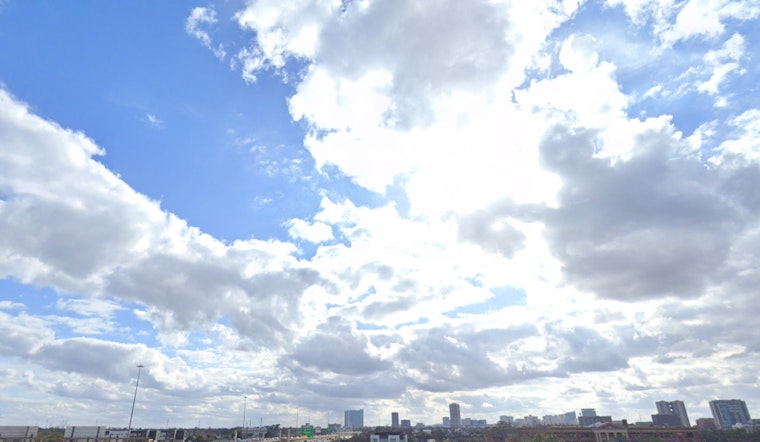
Houston residents should brace for more heat and haze as forecasters predict increased temperatures and the return of Saharan dust to the region. According to the National Weather Service, today's forecast for Houston includes a 40 percent chance of showers and thunderstorms after 3 pm, after which the remainder of the week looks to be mostly sunny and increasingly hot temperatures could nudge towards the upper 90s, making Tuesday the hottest day so far this week. The Saharan dust, responsible for hazy skies and a drop in air quality, is expected to linger through at least tomorrow, potentially extending into the holiday weekend due to a second incoming wave, this imperceptible adversary from across the sea painting our horizons with its dry, distant breath, as reported by Click2Houston.
Independence Day plans, fortunately, won't be dampened by nature's light show, as the forecast suggests clear skies with hot and hazy conditions, ensuring fireworks will be visible against a mostly clear backdrop, though the temperatures are set to remain in the mid to upper 90s.
While the region has so far enjoyed a reprieve from any major tropical disturbances, the remnants of Barry continue to affect eastern Mexico, and forecasters are keeping an eye on a developing system near New Orleans. Now, this system reportedly has a 20 percent chance of development over the next week, with Florida likely to experience heavy rainfall in the coming days. Remember, last year Hurricane Beryl swept through early on July 8, so vigilance during this hurricane season, which persists through November, remains crucial.
The ten-day outlook provided by Click2Houston suggests that following the weekend's storms, Houstonians can expect a rise in temperatures with drier air and sunshine dominating early July, a harbinger for potentially record-setting heat in the weeks to come.





