

























































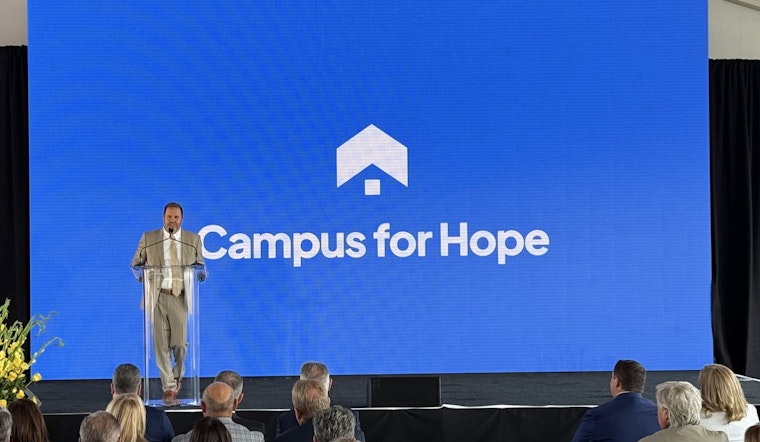
Clark County, Nevada, is making a concrete move to address the persistent challenge of homelessness in Southern Nevada, with the announcement of a groundbreaking initiative known as the "Campus for Hope." This development, touted as a collaborative public-private venture, is set to establish a 20-acre campus in the heart of Las Vegas dedicated to aiding those most in need. According to a Clark County social media post, the initiative will not only offer housing but also an array of comprehensive services aimed at supporting the homeless population on their journey to self-sufficiency.
The magnanimous project, which comes with a price tag of $200 million, is funded by both private and public contributions. Slated for an opening in 2027, it promises nearly 1,000 beds that will serve as transitional housing. Furthermore, residents at the Campus for Hope will have access to case management services, instrumental in bridging the gap between temporary living arrangements and permanent housing. As reported by a second post from Clark County, the overarching objective is to shepherd individuals toward a place of independence and stability.
Opening of the $200 million @campusforhope is set for 2027. Funded by private and public money, it will have nearly 1,000 beds. In addition to transitional housing, people will be able to get case management to help them get into permanent housing and become self sufficient. pic.twitter.com/VHBd70ZW6i
— Clark County Nevada (@ClarkCountyNV) July 17, 2025
This significant investment into the wellbeing of the region's most vulnerable residents is a testament to the area's commitment to tackling the complex issue of homelessness. With a comprehensive strategy that encompasses immediate shelter needs and long-term housing solutions, Clark County aims to forge a path out of homelessness for many, by not only providing a roof but the tools necessary to maintain it. This campus is envisaged as a sanctuary of hope, where the desolate can find respite and the downtrodden can access opportunities to rebuild their lives.
The ambitious endeavor is already garnering attention for its potential impact on the Southern Nevada community. It encapsulates a holistic approach to addressing a malaise that often requires more than just temporary relief, but a sustained, concerted effort. The anticipated benefits of the Campus for Hope extend beyond the tangible, fostering an environment where those who have endured the plight of homelessness might one day thrive. If successful, such an integrated model could set a precedent for other cities grappling with similar challenges, to emulate and perhaps for Clark County, to lead by example.




