

























































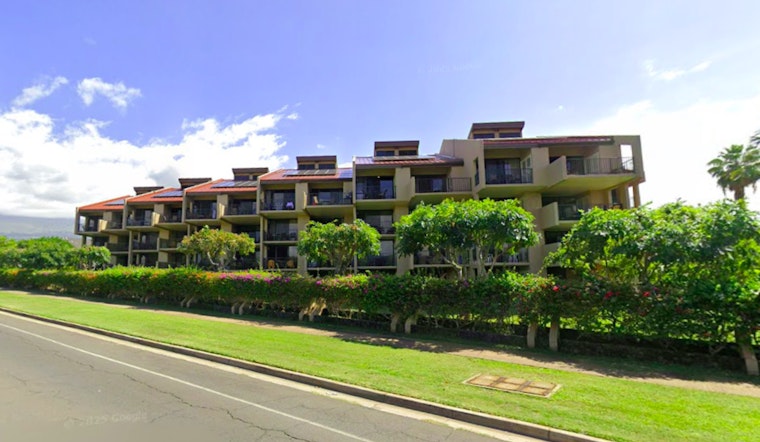
The Maui County Council committee has moved forward with a contentious plan seeking to phase out a substantial number of vacation rental units on the island. According to Civil Beat, the Housing and Land Use Committee passed Bill 9 with a 6-3 vote, aiming to gradually eliminate around 7,000 vacation rentals in apartment zones over the next three to five years. This decision was part of a broader effort to reclaim housing for the local residents, particularly those affected by the impactful 2023 wildfires.
The objective of the legislation is to increase housing availability for local residents, particularly those displaced by the 2023 wildfires. However, the measure has prompted debate within the community. According to Hawaii News Now, Bill 9 seeks to address the growth of the tourism industry and its impact on residential housing by phasing out approximately 7,000 vacation rentals in apartment zones. Stakeholders have raised concerns about potential economic effects on Maui's tourism-dependent economy. The bill's passage followed six public hearings and included testimony from more than 300 individuals.
The current draft of Bill 9 would enforce the cessation of short-term rental operations for certain zoned units by the end of 2028 in West Maui and by the end of 2030 in other areas. According to Hawaii News Now, while members like council member Keani Rawlins-Fernandez see this as "reclaiming housing for our residents," opposition voices, notably the Maui Vacation Rental Association, voice concerns about potential negative outcomes.
Despite passing in committee, Bill 9 has yet to be approved by the full council. This next step is anticipated to take place in roughly two weeks, around August 12, based on insights from council member Gabe Johnson as obtained by Civil Beat. Emotions connected with the bill are running high. With the island's deep reliance on tourism, the potential economic repercussions from eliminating vacation rentals remain a point of contention. "We’re now looking at people over the profits," Johnson told Civil Beat after the vote, underpinning the philosophical shift this legislation represents.
Should the full council approve the measure, Maui's Mayor will have the final say with his signature. The council anticipates the need for hard economic decisions in the near future, such as how to compensate for potential losses in tax revenue and the need for alternative economic pillars.





