

























































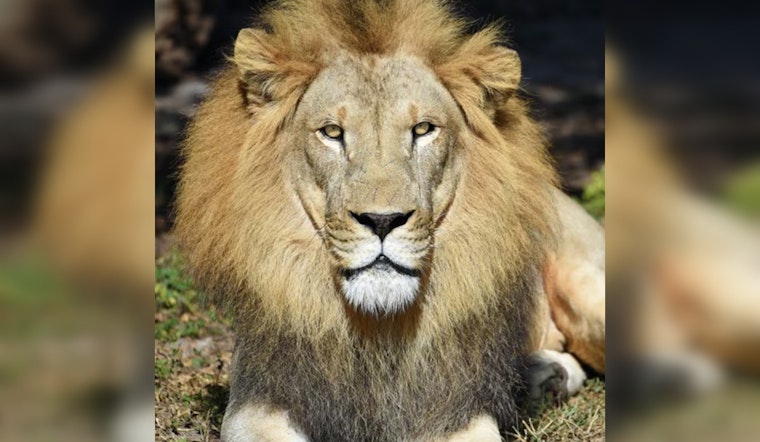
Zoo Miami is in a state of mourning following the death of Jabari, a 17-year-old male lion once heralded as an icon at the facility. Jabari's health had declined due to chronic arthritis, leading to prolonged mobility issues. Despite extensive medical interventions to ease his suffering, his condition worsened, leaving the zoo with the decision to humanely euthanize him on Thursday, as detailed in a report by NBC Miami.
The ailments that Jabari faced are not uncommon in captive animals, with arthritis being a particularly challenging condition to manage. The zoo's veterinary staff tirelessly worked to potentially improve his quality of life, but the treatments could not sustainably alleviate his discomfort. In a statement obtained by Local 10, Ron Magill, the zoo's communications director, reflected on Jabari's remarkable longevity, which surpassed the average lifespan of a male lion in the wild. Magill also highlighted Jabari's significant contributions to the gene pool of his species through his offspring.
Jabari was more than just a majestic creature to observe; during his time at Zoo Miami, he became the only adult male lion in the history of the zoo to lead a pride that included an adult female and cubs. This familial unit provided a unique and enriching experience for visitors, and was warmly received as a highlight of the zoo's exhibits. According to a statement released by Zoo Miami, these "iconic images of him on the habitat surrounded by the cubs left a lasting and unforgettable impression," according to NBC Miami.
The loss of Jabari underscores the complexities faced by conservationists and caretakers in managed care facilities. Lions like Jabari play to critically engage the public about the plight of their wild counterparts. The zoo indicated that Jabari's progeny have been integrated into prides across the nation, thereby extending his lineage and influence. With lions classified as "threatened" and residing in less than 10% of their historic range, according to Magill's interview with Local 10, the role of ambassadors like Jabari proves to be vital in raising awareness and fostering conservation efforts for these majestic animals.





