

























































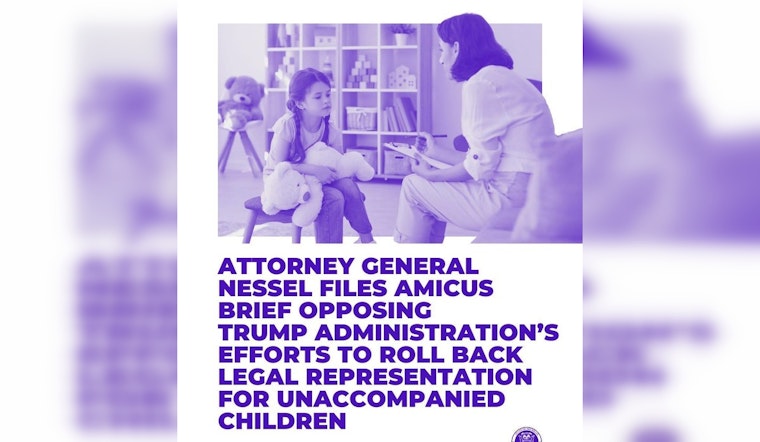
In a significant legal maneuver, Michigan Attorney General Dana Nessel has banded together with her counterparts from 19 other states to challenge a decision by the previous administration. This coalition has filed an amicus brief in the Ninth Circuit Court of Appeals, standing against the termination of federally funded legal services for unaccompanied immigrant children—a policy initiated under the Trump Administration.
The contested policy would leave vulnerable children, many released to sponsors in states like Michigan and soon become integral parts of their localities, without legal guidance in immigration proceedings—a daunting prospect. Around 750 unaccompanied children, having made the solitary voyage to America, were released to sponsors in Michigan alone in 2024. "Unaccompanied children arriving in this country are some of the most vulnerable people in our legal system," Nessel said, as reported by the Attorney General's Office, adding that "Without legal representation, many may be forced to appear alone in court, unable to defend their rights." Her statement clearly argues in favor of maintaining access to legal support for said children.
The overarching argument of the amicus brief underlines the potentially damaging impacts of such a policy—not just in terms of legality, but human welfare too. The brief insists that federal law upholds the necessity of legal representation for these children and that its removal will widen existing gaps in resources for legal services. They contend that the children, deprived of crucial multidisciplinary support that legal representation avails, would face multiple long-term harms.
Attorney General Nessel, along with officials from states like Arizona, New York, and Washington, is using this brief to highlight the importance of protecting the rights of unaccompanied minors. Nessel says that with the right support, these children can grow into contributing members of society. However, long stays in federal custody can seriously harm their mental and physical health. The coalition is urging the Ninth Circuit Court of Appeals to uphold a previous ruling that ensures these children continue to have access to legal help.
The multi-state collaboration, emphasizing the essential nature of legal assistance, hopes the Ninth Circuit will maintain the injunction. This would, in essence, protect the federal funding that's been instrumental in offering unaccompanied immigrant children a fair chance to navigate the complex U.S. legal system. As of now, the outcome of this legal contest remains in the hands of the appeals court, with the wellbeing of scores of immigrant children hanging in the balance.





