

























































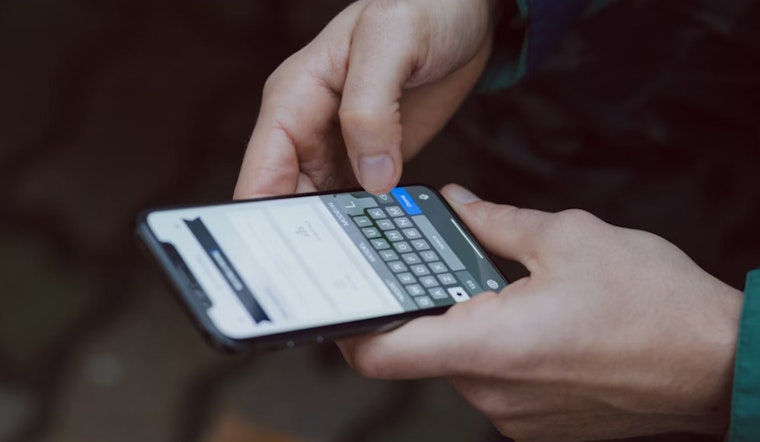
A Michigan bill aiming to restrict K-12 students' cellphone use stumbled and crashed in the House, despite having cleared Senate hurdles and initially garnering a bipartisan nod, along with support from educators and parents across the state. According to FOX 2 Detroit, the proposal, which required a 56-vote majority, fell short with 53 supporting votes and every House Democrat voting against it. The bill was intended to empower school districts to craft plans limiting student cellphone usage during school hours, with necessary allowances for emergencies.
The effort's failure last Thursday, as reported by Michigan Advance, has led State Rep. Mark Tisdel, R-Rochester, to consider a legislative rework leaning toward a stricter 'bell-to-bell' usage prohibition. Tisdel expressed his frustration with the political dynamics at play, signaling that despite apparent bipartisanship, he found himself contending with game-playing opposition that defied the bill's merits and the administration's, including Gov. Gretchen Whitmer, anticipated backing. Tisdel quoted, "We had it put together, incorporating the best language from all sides … and [House Democrats] played games."
The crux of the bill, as mentioned by WOODTV, was to implement varying levels of cellphone restrictions for different grade levels throughout the state's schools. Although the governor had echoed the need for such measures in her earlier State of the State address, the subsequent defeats left Tisdel contemplating a stricter rewrite, which would mirror New York's policy, yielding to no cell phone use for the entire school day in all public school districts.
Some Republicans crossed the aisle to join with Democrats in condemning the bill, an occurrence Tisdel termed as unfortunate but not uncommon in Lansing, where political maneuvers are the order of the day. The bill's struggle and ultimate demise brought to light the complex interplay between intended bipartisan collaborations and the reality of legislative politics. "I don’t have a problem with that. That was in the last bill, and that was one of the concessions I put in," Tisdel told Michigan Advance, speaking on allowances for simpler devices such as flip phones.
As the dust settles on this political skirmish, the attention now turns to the proposed rewrite, which Tisdel vows will reflect his original vision of a comprehensive prohibition. Whether the "gold standard 'bell-to-bell'" approach garners the necessary legislative support remains to be seen, as the conversation around digital distractions in educational spheres continues to evolve.





