

























































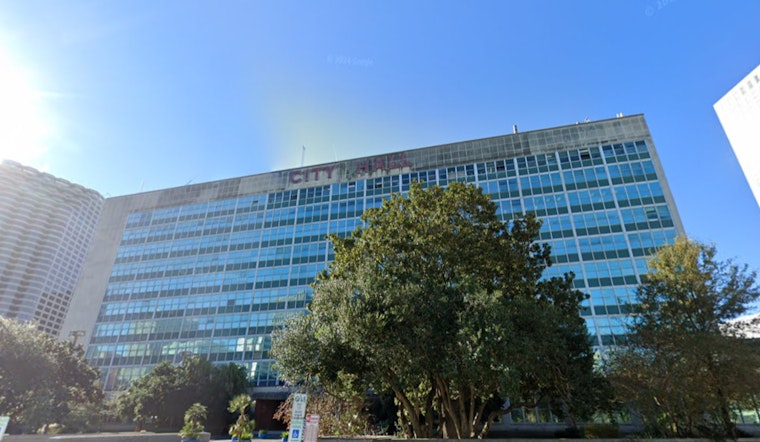
Earlier this week, the New Orleans Health Department released a sobering report that sheds light on the state of domestic violence in the city. The 2024 Advocate Initiated Response (AIR) Program Data Report, a collaborative effort among city agencies like the New Orleans Police Department and the Orleans Parish Communications District, laid out a data-driven evaluation of their current efforts in battling this pervasive issue. The report was first made public on the New Orleans Health Department website.
One of the more jarring statistics presented in the report is the frequency with which domestic violence occurs in Orleans Parish, being the most commonly reported violent crime and leading cause for 911 calls. In 2024, the AIR program received 11,633 DV-related incident reports, of which 7,380 were domestic disturbances with no crime reported. This category, in particular, presents an opportunity to prevent escalation of family and partner disputes. Domestic violence crimes themselves were paced by simple battery domestic incidents, with protective order violations coming in as second most common. According to the New Orleans Health Department's findings, these violations underscore the risk of repeated abuse and highlight the ongoing need for protection.
In terms of outreach, of the 7,754 victims AIR tried contacting, 45% received communications and were offered assistance with safety planning and resources. Furthermore, only 2% of those reached out declined services, suggesting there's a strong demand for these resources. As "Domestic violence doesn't end when the police leave," Jennifer Hunt, Domestic Violence Projects Specialist of the New Orleans Health Department, explained the crucial role that the AIR Program plays in bridging the gap between immediate response and long-term safety for survivors.
Professionals in the field regularly conduct risk assessments aiming to predict the likelihood of recurring abuse, and importantly, potential fatalities. The report noted strangulation as a significant warning sign, with survivors of such non-fatal attempts being 7.5 times more likely to be killed by the same partner. Adding the presence of a firearm amplifies the chance of a fatal outcome by five times. Kevin L. Williams, Program Director of AIR, stressed the importance of the AIR Program by saying it "has emerged as a crucial element of the NOFJC, with advocates making concerted efforts to engage with each victim or reporting person involved in domestic violence incidents or disturbances," as mentioned on the New Orleans Health Department website.
To combat these startling trends, systemic changes and new programs have been implemented. These include creating an advocate role in the Criminal District Court to expedite court processes for victims seeking protective orders, expanding civil legal assistance through Southeast Louisiana Legal Services, and launching a gun safety program providing biometric gun safes. As the New Orleans Health Department report detailed, these strategic developments demonstrate a citywide push toward integrating advocacy with actionable responses to these incidents of violence. Shakeya Reed-Green, AIR Triage Trainer, reinforced this compounding strategy by saying, "AIR seeks to empower individuals, communities, and organizations by integrating advocacy strategies with practical solutions, ensuring that voices are not only heard but lead to tangible, systemic change."




