

























































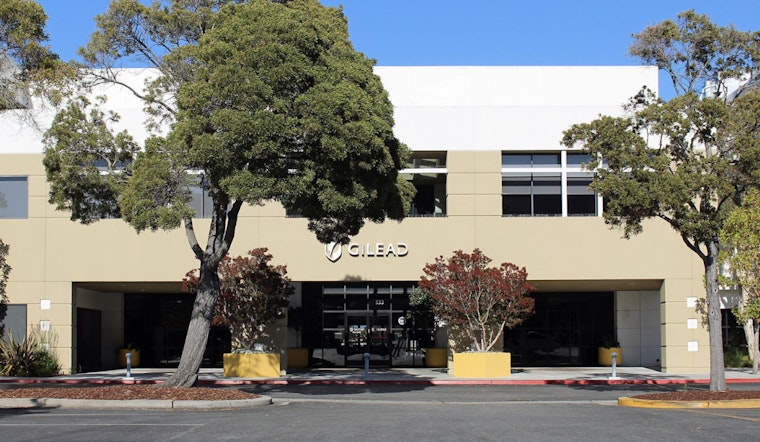
New York Attorney General Letitia James has spearheaded a massive legal win against Gilead Sciences, Inc., corralling a coalition of 48 other attorneys general to recover over $200 million due to the company's illegal kickback strategies that pushed their HIV medications. According to a statement from Attorney General's Office, these activities not only violated federal anti-kickback statutes but also resulted in a multitude of false claims to government health care entities, including Medicaid in New York.
In a sharp rebuke to the corporate impropriety, Attorney General James remarked, "When pharmaceutical companies put profits before patients, New Yorkers suffer." She stressed the importance for patients to trust their healthcare providers' recommendations, which should be based on their best interest rather than the influence of a drug company's incentives. The hefty $202 million settlement will be divided among Medicare, Tricare, the AIDS Drug Assistance Program (ADAP), and Medicaid programs across the nation—with New York's Medicaid pocketing $6.6 million, as per the Attorney General's Office.
Details from the investigation, which was conducted in coordination with the U.S. Department of Justice and eventually approved by the U.S. District Court for the Southern District of New York, painted a picture of systemic abuse at Gilead Sciences. The company reportedly wooed health care providers with rewards, expensive meals, and travel to prescribe their HIV drugs, such as Stribild and Genvoya. These actions took place from January 2011 to November 2017, where high-volume prescribers received tens to hundreds of thousands of dollars to act as "HIV Speakers," some indulging in repeated events that featured the same topics within a short span, as reported by the Attorney General's Office.
Gilead also lavishly covered travel expenses for speakers to locales like Hawaii and New Orleans, and hosted fancy dinners at elite restaurants, settings not typically associated with the sober world of medicine. In New York alone, venues such as Del Posto and Asiate were chosen for these meals. Despite having internal policies, Gilead failed to stop the illegal activity, with its sales representatives enticing health care professionals with improper incentives, a fact evidenced by one nurse practitioner in New York City attending an excessive number of HIV Dinner Programs.
This settlement marks a consequential moment in the ongoing effort to establish transparency and ethics within the healthcare sector. Besides New York, the investigation and negotiation teams included representatives from California, Indiana, North Carolina, and Virginia among others. The New York Medicaid Fraud Control Unit (MFCU), commanded by Assistant Deputy Attorney General Paul J. Mahoney and supervised by Medicaid Fraud Control Unit Director Amy Held, played a pivotal role in handling the matter alongside the Division of Criminal Justice's leadership.
New York's MFCU is funded in part by a grant from the U.S. Department of Health and Human Services, covering 75 percent of its $70.5 million budget for the federal fiscal year 2025. This case not only underscores the continued vigilance against fraudulent activity in the healthcare industry but also exemplifies the dedication of state officials to protecting the integrity of patient care and the responsible use of taxpayer dollars.





