

























































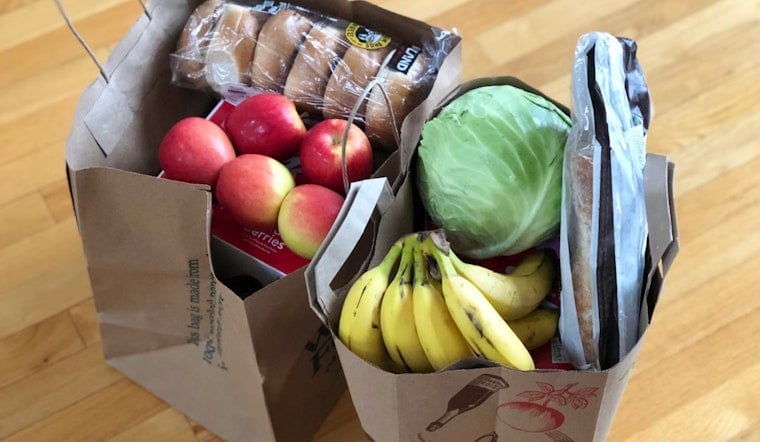
In a significant shift for the gig economy, the New York City Council is gearing up to pass transformative legislation aimed at securing better wages and conditions for grocery delivery workers. Drawing public attention towards issues of inequality in the booming delivery industry, the proposed laws seek to establish a $21.44 hourly rate for nearly 20,000 workers tied to third-party apps such as Instacart and Shipt, ABC7NY reports.
Building upon previous legislation set in 2021 for app-based food delivery workers at companies like DoorDash, Uber Eats, and Grubhub, these new bills cast a wider net. "All delivery workers deserve to get paid a decent wage for their work, no matter what they deliver or who they work for," New York City Council Member Sandy Nurse told ABC7NY, highlighting the need for inclusive growth within the sector. Amidst the discourse, responses from the affected communities and stakeholders offer a variety of viewpoints.
A delivery worker named Antonio Solis highlighted the human element to these economic policies in a statement to ABC7NY, saying, "For thousands of delivery workers like me, tips are not a bonus-they're a vital part of our income." Moreover, the proposed laws aim to enhance tipping culture by mandating an in-app option that suggests customers tip at least 10% before completing their order. These inclusive structural changes are promoted as a move toward greater acknowledgment of the essential role workers play in the daily life of New York City.
However, opposition from corporate groups arises as a significant challenge to the efforts of labor representatives. Instacart and Shipt have publicly opposed the proposed legislation, arguing that it could have serious negative effects on both customers and workers. "It's simply unconscionable that the City Council is considering a bill that would jeopardize a lifeline thousands of New Yorkers rely on," an Instacart spokesperson cautioned CBS News. This reflects worries among some shoppers about the expected increase in delivery fees, while being tempered by a broader public support for fair wage practices.
As voting day approaches, the outcome of this legislative effort remains a key issue for various stakeholders in New York's urban environment. The bills focus on labor rights, while discussions continue regarding their potential economic impacts on different groups within the population.




