

























































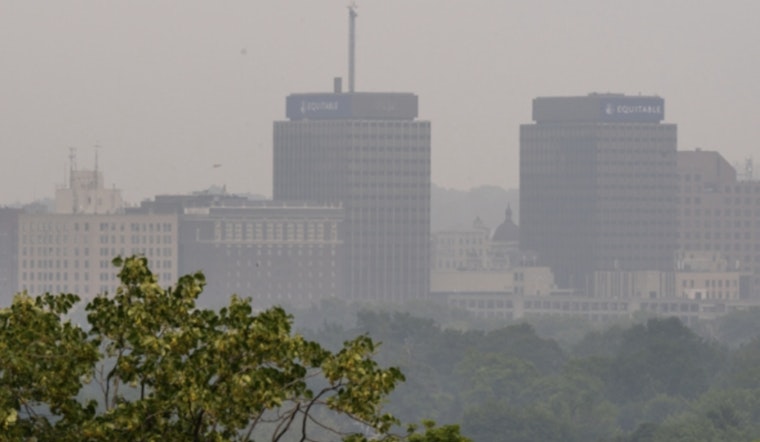
With the mercury soaring and air quality plummeting, New York Governor Kathy Hochul has issued a stark warning, updating citizens on the oppressive heat and the smog that's wrapped around much of the state. According to a recent advisory posted by the Governor's Office, the New York State Department of Environmental Conservation (DEC) alongside the Department of Health have cast air quality health advisories across Long Island and the New York City Metro region. The advisories hinge on predicted ozone increases that breach Air Quality Index values above 100—deemed 'unhealthy for sensitive groups'—and are slated to be in effect through July 30th from 11 a.m. to 11 p.m.
Meanwhile, heat advisories underscore the urgency of the situation, as feels-like temperatures shimmy into the high 90s, and in some regions, may even leap past 100 degrees touted Governor Hochul in her statement, tacking on that ahead of a cold front expected later in the week, we might see locally severe thunderstorms, that's probably going to throw in heavy rains and potentially flash flooding especially in Mid-Hudson, Long Island and New York City Regions. New Yorkers are advised to take precautions against heat-related health risks by staying indoors during peak ozone hours, hydrating well, and checking in on vulnerable individuals such as the elderly and young children.
The state is responding with tools and resources, including an innovative New York State Heat Risk and Illness Dashboard, which provides real-time data points to assist communities and policymakers in understanding extreme heat risks—this platform could prove invaluable for schools and businesses working to adjust activities during heatwave conditions. Plus, there's a slew of extended hours at state swimming and cooling facilities to offer respite from the swelter.
Pets aren't forgotten in the heat mitigation strategies either; from provisions of water to limiting their time outdoors, New Yorkers should heed guidelines to ensure the safety of their furry companions and never ever leave them in a parked car, as vehicles can quickly become deadly traps in high temperatures. On top of staying vigilant about air quality and heat stress, New Yorkers should brace for the possibility of sporadic service disruptions across public transit systems, as the Metropolitan Transportation Authority ramps up patrols and readies resources to combat heat's grip on the infrastructure, according to a statement obtained by the Governor's Office.
For the most current weather updates and to confirm park hours and operations in the face of changing conditions, New Yorkers are directed to the State Parks website or to download the New York State Parks Explorer app. Seeking shelter from the scorching sun and stifling air is not just advised; it's essential to weather this extreme environmental chapter.





