

























































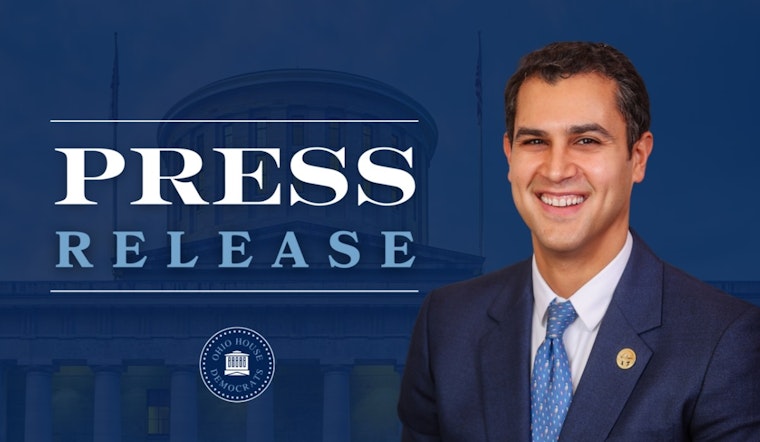
The clash between fiscal policy and partisan politics intensifies in Ohio following the latest move by the state's GOP majority. In a session slated for July 21, Republicans aim to override Governor Mike DeWine's vetoes on property tax provisions within the recently passed House Bill 96. This bill, integral to the state's biennial operating budget, was bound to stir controversy with its mix of school and local funding-related tax initiatives. The decision to counter the Governor's veto has drawn criticism from Democrats, particularly House Minority Leader Dani Isaacsohn.
According to the Ohio House of Representatives, a statement released by Isaacsohn, the focus of state efforts should hinge on providing "real property tax relief," a need that's pressing for the citizens of Ohio. "If Republicans were serious about real property tax relief, they wouldn't pass the buck, they would use this session to vote on bipartisan, commonsense solutions that would make a real difference," Isaacsohn asserted. The critique forwards the notion that GOP actions seem more inclined to benefit the wealthiest, including handouts that favor millionaires and billionaires over the public good.
Isaacsohn's comments underscore a dissatisfaction with tactics perceived as prioritizing political gain over earnest efforts to alleviate tax burdens on Ohio residents. "Instead of using state resources to put money back in the pockets of taxpayers, Republicans chose to give hundreds of millions in handouts to billionaires for sports teams and tax cuts for the richest people in the state," Isaacsohn noted in a statement obtained by the Ohio House of Representatives. This remark highlights a discordant view on the purported merits of the bill's provisions before they were vetoed by Governor DeWine—a move he deemed necessary to safeguard public schools and local governments from fiscal harm.
The impending session to override the veto is watched with caution and skepticism by those aligned with Isaacsohn's perspective. While some may see the override as a necessary corrective action, others argue that this is but another opportunity lost to genuinely address issues that affect the daily lives and wallets of Ohioans. The contention is clear, one side champions a turn to truly equitable tax solutions, while the other seems content to split political hairs, potentially to the detriment of the very people they were elected to serve.



