

























































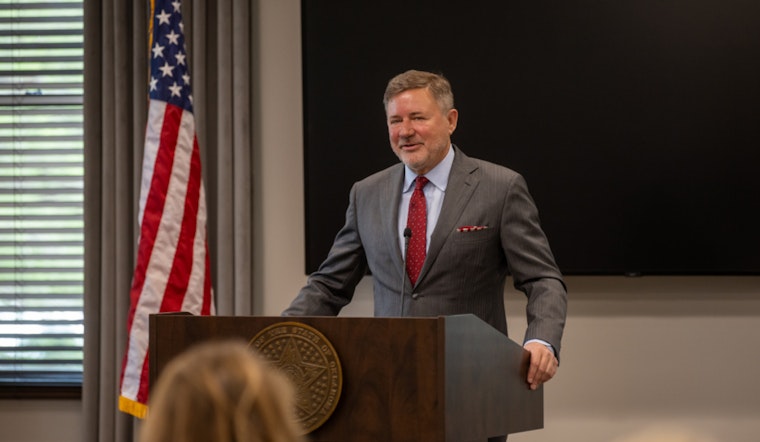
In a stride toward transparency and ethics, Oklahoma's Attorney General has announced the passage of two significant bills intended to clean up government operations, as reported by the state's official website. House Bill 2163, which is already in effect, introduces the Public Access Counselor Unit to enable citizens to challenge denied or ignored public records requests without resorting to expensive and protracted legal disputes, this move by the government aims to facilitate easier access to public information, and the process for complaints is now available through the Attorney General's office website.
House Bill 2164, set to take effect on November 1, targets potential corruption, enhancing bidding laws and establishing robust penalties, "public officials from using their positions for personal gain," according to the Oklahoma Attorney General's Office website; it raises offenses from misdemeanors to felonies, includes a termination and lifetime public office ban for state employees who benefit from contracts they're involved in, and imposes severe punishments for misuse of non-public information for personal advantage.
Both bills had previously faced opposition from Gov. Stitt, who vetoed them only to see the legislature override with strong bipartisan support, signaling that such ethical frameworks transcend party lines and are rooted in the state's core values. The overhaul not only increases accountability but also aims to cultivate confidence among Oklahomans in their leaders and fairness in economic competition.
These reforms come as a response to a series of controversies, such as a questionable, single-bidder contract with the Department of Tourism and Recreation and compromised contract awards at the Oklahoma Employment Security Commission; these incidents have underlined the necessity for clearer ethical guidance and sharper enforcement mechanisms.





