

























































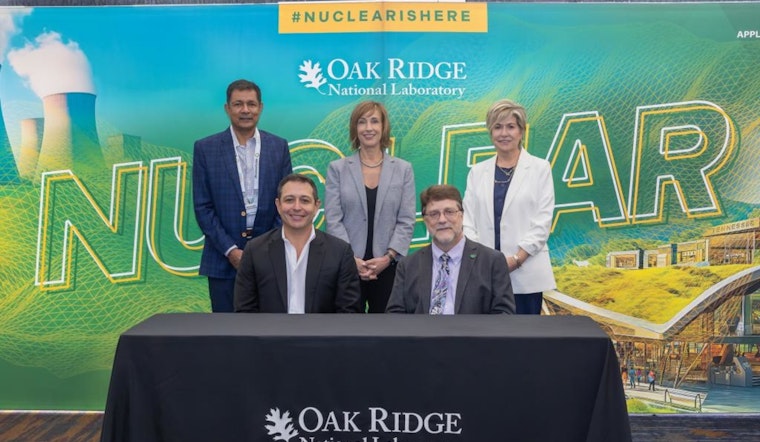
In an effort to propel the nation's nuclear ambitions into a new age of efficiency, Oak Ridge National Laboratory (ORNL) is teaming up with the AI specialists at Atomic Canyon. The partnership, inked at a recent Knoxville gathering, holds the promise of using artificial intelligence to streamline the nuanced and often labor-intensive process of nuclear plant licensing. In what could be a significant pivot toward modernizing a procedure historically mired in paperwork, this memorandum of understanding might just be the ticket to quicker, safer nuclear energy deployment.
According to the details shared at the Nuclear Opportunities Workshop (NOW), the collaboration will leverage ORNL's prowess in high-performance computing, crafting simulations and automating parts of the licensing review process. This private-public handshake is a critical component as the U.S. scrambles to hit ambitious nuclear reactor design and plant commissioning deadlines. ORNL Director Stephen Streiffer, as quoted by ORNL's own news release, emphasized the need for action: "The time is now. With new capabilities enabled by AI and partners like Atomic Canyon, we can help the nuclear industry unleash American energy."
ORNL's reputation in nuclear science is legendary, tracing back over 75 years to the days of the Manhattan Project. It remains a hub of innovative energy science, housing facilities like the High Flux Isotope Reactor, as well as the Frontier supercomputer. Atomic Canyon stands to benefit from these resources, accessing avant-garde simulation tools and digital qualification methods. Their developed AI models, called FERMI, feed into the Neutron AI platform, enhancing search capabilities to swiftly navigate a plethora of technical information, which is a boon for users sifting through large volumes of documentation.
The need for such innovation was underlined by ORNL's lead scientist on the project, Tom Evans, who underscored the surging demand for steady-state energy. In an agreement that seems tailor-made for the industry's future, Evans said, "Agreements like this are exactly how we can meet those demands through innovative approaches that accelerate the process by which nuclear power is brought to the grid." The AI's primary role would be to aid the U.S. Nuclear Regulatory Commission in efficiently managing the vast amounts of research and reporting required to ensure that every nuclear reactor operates safely and reliably.
One particularly notable use of this partnership is the application of ORNL's Frontier, the world's first exascale supercomputer, in training FERMI models. These models had to comprehend the nuclear industry's technical jargon, a language derived from over 53 million pages within the NRC's documentation system. Atomic Canyon's CEO Trey Lauderdale detailed their vision to ORNL's newswire: "Our mission at Atomic Canyon is to build the most advanced generative AI platform for the nuclear industry."



