

























































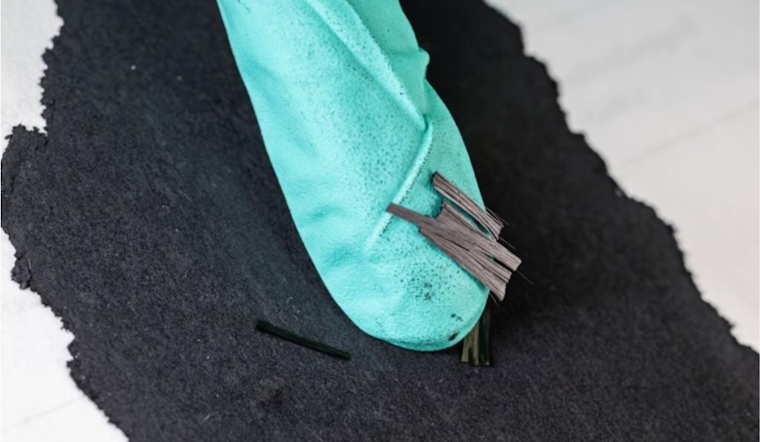
In a significant advancement for the green technology space, researchers at Oak Ridge National Laboratory (ORNL) have spearheaded a breakthrough in lithium-ion battery production, revealing a more cost-effective dry process that holds promise for enhancing the energy efficiency and safety of widely used batteries. As reported by ORNL, the introduction of long carbon fibers into the manufacturing process not only fortifies the batteries but also expedites the charge and discharge cycles, characteristics beneficial to consumer electronics and electric vehicles.
The traditional wet processing method, reliant on volatile organic solvents, demands substantial factory space and resources, resulting in higher operational costs and environmental concerns, however, dry-processed electrode films created without these solvents have until now been plagued by fragility, but through this study, an incorporation of long carbon fibers has addressed the structural weaknesses enabling production of stronger and more pliant films that could revolutionize the industry.
Leading the charge, ORNL scientist Jaswinder Sharma articulated the potential cost efficiency of this novel process, "We think this is the next step in bringing dry-processed electrodes near to widespread use," with savings anticipated not only in chemical costs but in overall manufacturing expenditures. Sharma elaborates, per the Oak Ridge National Laboratory, "The chemical cost savings would exceed the price of the fiber, which constitutes only 1% of the weight."



