

























































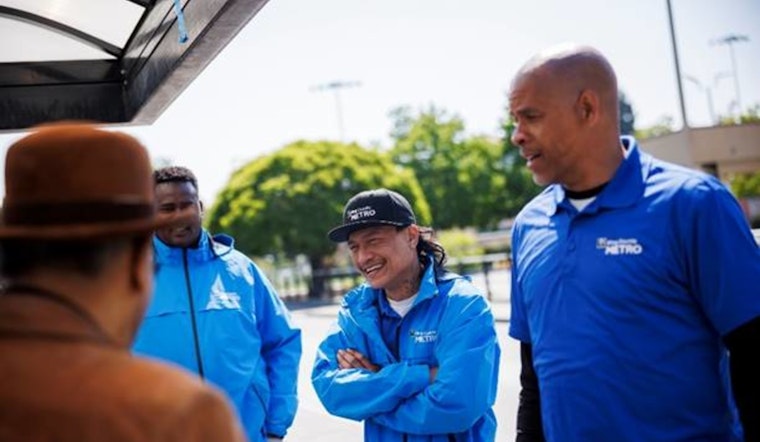
Seattle's commitment to boosting transit security and comfort for riders continues as the city, in partnership with King County Metro, rolls out new initiatives funded by the Seattle Transportation Levy (Levy) and Seattle Transit Measure (STM). As reported, the eight-year, $1.55 billion Levy, approved by voters back in November 2024, is channeling funds towards eight additional Transit Security Officers (TSOs) focused on downtown Seattle and high-traffic bus routes.
These levy-funded TSOs, who aren't police officers and don't have arrest authority, have been active since their recent introduction on the scene, boarding almost 300 buses in their first 48 hours of duty, offering customer service and assistance, distributing supplies such as emergency blankets and water, and connecting individuals experiencing homelessness with resources, according to the SDOT blog post. The Levy promises a $9 million investment in transit safety and security over its lifespan, which also goes towards enhancing connections to transit hubs and streamlining bus routes.
On the other side, the STM, a separate initiative bolstered by a 0.15% sales tax, brings in over $50 million annually which will run until early 2027; this measure finances local bus and streetcar services including the expansion of the SaFE Ambassadors program, now operating in Rainier Valley and the University District, where since starting on March 31, they have engaged with over 400 customers, providing directions and fare information. Additionally, STM has upped security on the Seattle Streetcar with both TSOs and Metro Transit Police now on board, offering security and fare enforcement services as well as community-based referrals.
In light of these investments, King County Executive Shannon Braddock's proposed 2025 supplemental budget includes a significant $26.1 million for safety and security at King County Metro, this includes funding more Transit Police and TSOs, and fitting buses with upgraded operator safety partitions. Mayor Bruce Harrell lauded the collaborative efforts and the role of public transit in connecting the city, stating, "Safe and reliable public transit is essential to achieving our One Seattle vision for everyone to be able to travel freely and confidently across our city."
The efforts to make transit options safer and more palatable to residents come with additional research projects, such as the Safe Access to Transportation research, geared to understanding the nuanced perceptions of safety and its impact on transit access, especially among communities facing homelessness and housing challenges. "Transit safety and security are fundamental to building a reliable and accessible transportation system," SDOT Director Adiam Emery mentioned, emphasizing the role that voter-backed measures play in achieving that vision. With this multifaceted approach, city leaders and transit authorities set a trajectory towards a public transportation system that's not only more secure but also more welcoming.





