

























































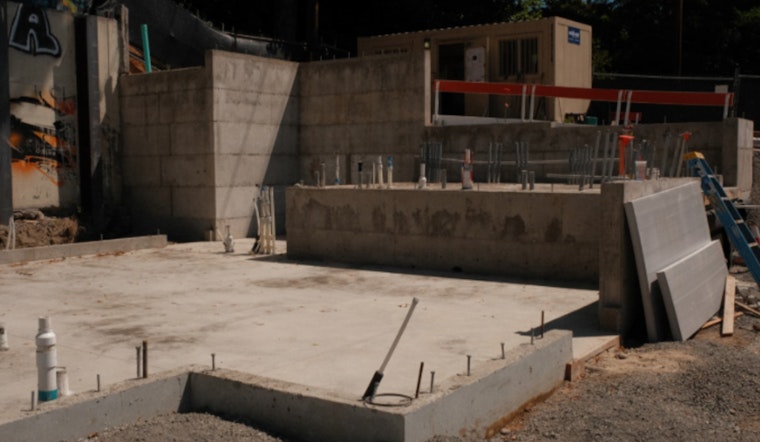
In Portland's Buckman neighborhood, a new housing development called Shortstack Belmont is setting out to boldly fill the "missing middle" gap in Oregon’s housing market. This 35-unit multifamily project represents the third venture by a duo of developers, Jessy Ledesma of HomeWork Development and Anna Mackay of Sister City, who joined forces with a shared mission to bring cost-effective housing solutions to those stuck between the rock of subsidies and the hard place of market rents. According to a recent report by the Oregon Housing and Community Services (OHCS), Shortstack Belmont is providing energy-efficient homes within walking distance of essential amenities, designed for households earning 60-80% area median income—a demographic often overlooked yet integral to the community.
The project's success was significantly aided by a $6 million award from Oregon Housing and Community Services through the LIFT program. "As a developer who has worked through years of OHCS funding cycles, I really appreciate the updated ORCA process," Ledesma told the OHCS website. "It’s clear, flexible, and helped our team to stay on track." Their collaboration with the state signals a change in government support dynamics, now acting more as partners rather than mere benefactors in the housing sector.
With a focus on sustainable practices, Shortstack Belmont's design uses mass timber from local sources. The project boasts that over 30% of the contractors and 70% of the consultants are COBID-certified, empowering small businesses owned by minorities, women, and veterans. In collaboration with NAMC-Oregon, the development team is also helping to educate minority contractors about the opportunities within the mass timber construction industry.
Despite this, the road to achieving these goals hasn’t been without its challenges. Urban developments are tricky, and Shortstack Belmont navigated a complicated permitting process among others. Rising operational costs are especially tough for smaller developers, but the Shortstack model aims to potentially resolve these issues by designing replicable systems that spread costs. Anna Mackay emphasized the challenges in a statement, "We know the funds are limited, and the need is great," and "It’s not an easy job to stretch resources fairly, and we appreciate the effort of OHCS to establish the ORCA process," as reported by the OHCS website.
Expected to complete in mid-2026, Shortstack Belmont will have contributed a total of 108 new units of moderate-income housing to Portland's fabric. Much more than just a housing complex, this development is indicative of a growing trend towards more inclusive, thoughtfully created communities, supported by initiatives such as ORCA and driven by developers with a vision for a more equitable housing landscape.





