

























































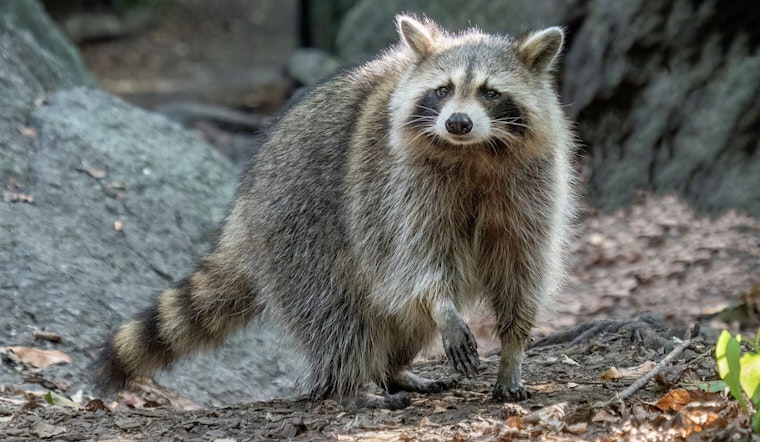
Nassau County has reported a significant rise in rabies cases, especially involving raccoons and feral cats, leading health officials to declare an imminent public health concern. According to a statement from Nassau County Executive Bruce A. Blakeman obtained by ABC7NY, the county is taking "decisive action to safeguard our residents, their families, and their pets from this dangerous virus."
The resurgence is significant given that rabies had been previously eradicated in the area in 2016. In total, 25 animals were confirmed to have rabies since July of last year. Notably, one raccoon even scratched a resident, who required immediate treatment, in a report by Nassau County health officials shared by PIX11 News. Suffolk County has also reported a spread, with six cases of rabid raccoons this year alone, all found in or near Amityville.
Rabies, a viral disease spread through bites, scratches, or salivary contact to open wounds or mucous membranes, poses a serious risk to humans and pets. Dr. Irina Gelman, Nassau County Health Commissioner pointed out the significance of the situation. "The resurgence of rabies in Nassau County, with its high population density and after nearly a decade of absence, represents a serious and evolving public health concern," Dr. Gelman stated in a comment shared by ABC7NY.
In response, the county is gearing up to continue its Raccoon Rabies Control Program, which strategically places oral rabies vaccine baits to immunize raccoons, the primary wildlife vector for the disease in the region. Residents are being urged to exercise caution: do not feed or touch wild animals, ensure pets are up to date on vaccinations, and report any instances of bites or scratches by potentially rabid animals to the NCDOH at 516-227-9663, or 516-742-6154 after hours, including weekends. Furthermore, sighting of dead, or sick, or abnormally-acting animals should be reported by emailing [email protected] for collection and testing.
No human cases of rabies have been reported, largely due to the timely use of post-exposure prophylaxis. However, residents are urged to avoid direct contact with wild animals, keep pets indoors during nighttime hours, and follow health department recommendations. In Suffolk County, individuals should call 631-854-0333 for general rabies concerns, or 631-852-4820 if bitten or scratched by a wild animal. Dead raccoons can be reported to [email protected] to assist with the county’s surveillance efforts.





.jpg)