

























































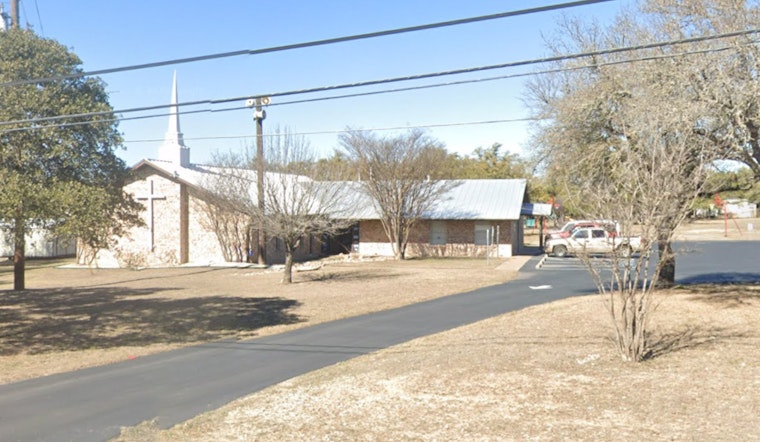
Travis County has taken the reins from the Austin Disaster Relief Network (ADRN) in managing the recovery operations for Sandy Creek. The handover, which took place at the Round Mountain Baptist Church, has prompted some concerns from locals and volunteers about the county's level of preparedness for such disasters. Volunteer Harris Schanhaut told CBS Austin, "I think it just tells me there was no master plan in place beforehand for major disasters," as reported by CBS Austin.
Despite the easing of restrictions following severe flooding, residents have voiced their worries about the speed and safety of the ongoing recovery efforts. During a Travis County commissioners meeting, Sandy Creek resident John Tichi highlighted the urgent need for assistance, saying, "when somebody's falling off a cliff, you're not looking for an indemnification agreement before you reach out and grab their hand," according to a Community Impact interview. The county has since opened most flood-damaged roads and installed a temporary low-water crossing to allow vehicle access and larger debris removal operations.
With the transition from immediate search and rescue to long-term recovery, the scope of services provided to the residents of Sandy Creek continues to expand. Travis County commissioners approved an extra $3 million for road and bridge repairs, on top of the previously allocated $4 million, as reported by Community Impact. Additionally, a new 10-foot pedestrian pathway along Round Mountain Road has been constructed to enhance the safety of those traveling to and from the triage station at the Round Mountain Baptist Church.
Travis County Health and Human Services, along with Austin Public Health, have served over 230 individuals at the Danielson Middle School recovery site. Shawn Snyder, the county's flood plain manager, emphasized the waiver of permit and development fees to facilitate residents' rebuilding efforts. Hoping that establishing a satellite permitting office, aimed to make permit processing more efficient for locals, will help get their lives back on track more rapidly. He was quoted by Community Impact, "It allows them to come to us quicker and for us to get them hopefully back on their feet and running sooner."
The path to recovery promises to be long, with county officials like Commissioner Jeff Travillion indicating that the process is more akin to a marathon than a sprint. In a bid to accelerate financial relief for those affected, H-E-B donated $100,000 to the county-sponsored CARES recovery fund. This fund is part of a broader initiative aiming to raise $1 million, as reported by Community Impact. For individuals looking to assist with recovery efforts, information on donations and volunteering can be found here.



