

























































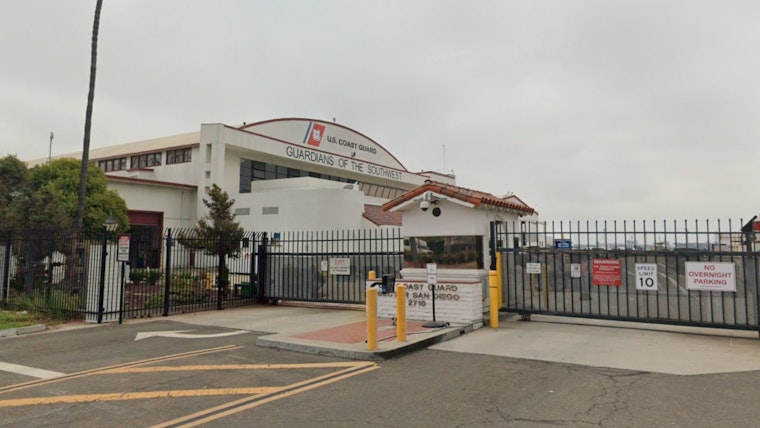
The US Coast Guard is ramping up efforts to ensure public safety during the celebratory dazzle of the Big Bay Boom in San Diego this Fourth of July. The U.S. Coast Guard will enforce temporary safety zones around several fireworks launch barges in San Diego Bay from 8 PM to 10 PM.
Capt. Robert Tucker, the Captain of the Port San Diego, has announced the establishment of safety zones with a 1,000-foot radius around the barges in the northern part of the bay, and an 800-foot radius for the one in Glorietta Bay. Precise locations for these zones circle barges at Shelter Island, Harbor Island, and both North and South Embarcadero. “Everyone should be able to enjoy Independence Day while remaining safe,” Tucker stated, emphasizing the increased patrols to guard these perimeters and secure the well-being of boaters and spectators alike, per the U.S. Coast Guard.
Anyone wishing to thrust their vessel into the thick of the festivity's watery arena must think again. The enforcement of these zones intends to shield the event's participants, onlookers, and the ceaseless ebb and flow of the waterway's regular traffic. During this period, the Coast Guard mandate is clear: no anchoring, blocking, lingering, or otherwise impeding the course of on-scene patrol vessels without direct consent from the Captain of the Port or his authorized stand-in.
Boat operators with aspirations to cross these aquatic boundaries must secure permission from the Captain of the Port. This can be achieved by hailing on-scene Coast Guard patrol craft via VHF-FM channels 21 or 16, or by contacting the Coast Guard Sector San Diego JHOC command center on channel 16. Defying these restrictions is no minor affair; violators, considered to be committing felony offenses, face the possibility of fines up to $250,000 and/or incarceration for as long as six years, as reported by the U.S. Coast Guard.





