

























































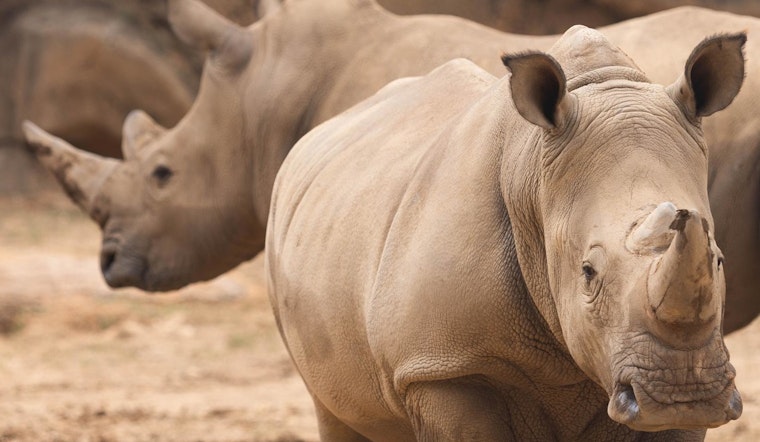
Zoo Knoxville is expanding its wildlife family with the introduction of two Southern White Rhinos from The Wilds in Ohio, as reported by WVLT. The half-brothers, Liam and Gus, aged 2 and 3 respectively, completed their quarantine period and are now visible to the public, joining Mylo and Ranger in the Rhino Reserve.
Each of these massive land mammals, tipping the scales between 4,000 to 6,000 pounds, will be rotating throughout their habitat, "allowing for social bonding and acclimation between the rhinos as they get to know each other," states WBIR. This initiative aims at bolstering the number of these near-threatened creatures due to habitat loss and poaching.
The Rhino Reserve at Zoo Knoxville serves as a crucial component in the conservation efforts of the species, which is part of a broader Species Survival Plan. The program is a combined effort by the Association of Zoos and Aquariums to manage and breed these animals effectively, thereby contributing to their preservation. This move has been characterized as an "important milestone" by the zoo, considering the animals are currently classified as near threatened, something WBIR highlighted in their coverage.
Zoo Knoxville's recent addition is capturing visitors' attention with their playful behavior, despite the species' challenging history with the risk of extinction. "Zoo guests are encouraged to check the rhino habitat regularly," so they might observe the ongoing integration and interaction of the rhinos within their new pack. The zoo also shared video footage that shows the rhinos engaging in a mud bath during rainfall, demonstrating their gradual adjustment to the environment. Details about their playtime were made public by a WBIR report.
As noted by WATE, this development at Zoo Knoxville not only fosters the rhinos' well-being but also educates the public on the crucial conservation work needed to ensure the survival of these majestic creatures, offering a tangible connection between the community and wildlife preservation efforts.





