

























































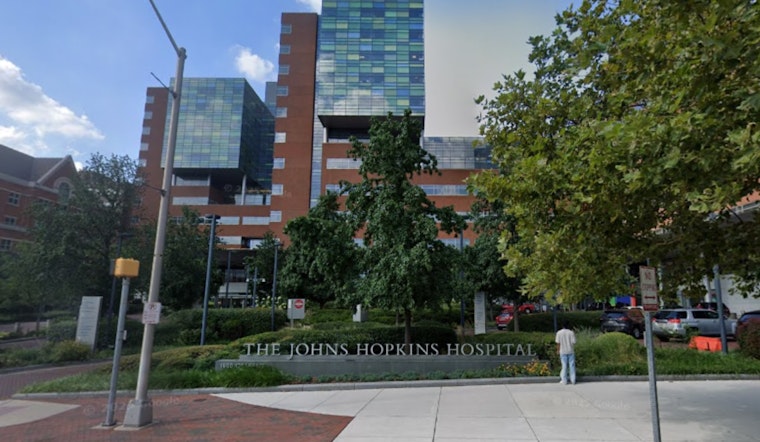
The standoff between UnitedHealthcare and Johns Hopkins has reached a head without resolution, leaving roughly 60,000 Maryland patients to navigate the murky waters of healthcare bureaucracy. According to CBS News Baltimore, the two entities' insurance coverage agreement expired Monday, effectively making Johns Hopkins facilities out-of-network for those with several types of UnitedHealthcare plans. While both organizations are pointing fingers, patients are the ones left with the uncertainty of whether their ongoing treatment can continue under the existing terms.
In depth, this fallout touches employer-sponsored plans as well as Medicare Advantage and Medicaid through UnitedHealthcare, which now have Johns Hopkins facilities in Maryland, Virginia, and Washington D.C. sailing off into uncharted—and expensive—out-of-network territory, yet, it's crucial to note that facilities in Florida remain unaffected and so too are patients in the Veterans Affairs Community Care Network, per UnitedHealthcare's statements obtained by CBS News Baltimore. With negotiations having been extended five times over the past eight months, it is clear that both parties struggle to find common ground on policies that impact patient care.
The voice of the patient population caught in this crossfire resounds with concern and frustration as highlighted by WBALTV; Abingdon resident Heather Reynolds expressed her annoyance and worry, having to consider alternative providers for her newborn's care, and she was not alone in her predicament, signaling it may be an issue bigger than just one healthcare provider or insurer. Gene Ransom of the Maryland State Medical Society described increasing complaints about UnitedHealthcare's aggressive cost-cutting insurance tactics—a bone of contention in the recent negotiations according to statements UnitedHealthcare and Johns Hopkins Medicine released to WBALTV.
Both sides maintain a stance that they are prioritizing patients, with UnitedHealthcare's Mid-Atlantic region CEO Joseph Ochipinti claiming that Johns Hopkins sought exceptional terms that no other health system in their network requires, leading to the current impasse despite efforts to compromise; however, Johns Hopkins avows they refused to sign a contract that jeopardizes their standard of patient care, they claimed that it's about avoiding aggressive claim denials and the delay of necessary care due to "excessive red tape", in the words taken from the statements made to WBALTV. Despite the stalemate—and in a small respite for patients amid the chaos—UnitedHealthcare has advised that for emergencies, members should go to the hospital, where services will be covered at in-network benefit levels, regardless of the network status.
While the situation remains dicey, UnitedHealthcare has pointed out some avenues for maintaining levels of care for existing patients, informing that any member approved for transplant services at Johns Hopkins by the time they went out of network will continue to have in-network access for those services. For ongoing treatments, patients can attempt to secure continuity of care through UnitedHealthcare—a critical lifeline for those caught in the throes of this administrative tug-of-war, as recounted by CBS News Baltimore. In the meantime, individuals must navigate this complex landscape, contacting UnitedHealthcare to assess what their next moves should be in maintaining their health care without facing prohibitively high out-of-network costs.





