

























































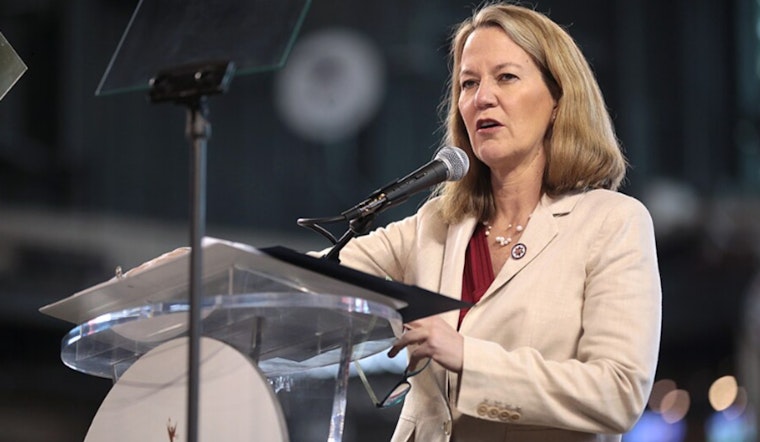
In a move to address the growing concerns over high utility bills in mobile home parks, Arizona Attorney General Kris Mayes issued a reminder to park owners of their legal responsibilities. This notice serves to reinforce the requirements for utility submetering and billing practices under state law. According to the Attorney General's Office, some mobile home parks may be flouting the law by overbilling or using unfair eviction tactics. These actions can potentially breach the Arizona Mobile Home Parks Residential Landlord and Tenant Act and Arizona's consumer fraud laws.
"When parks misrepresent the tenants’ actual usage, omit critical meter information, or deceive tenants about the appropriate rate structure, they do so at their own peril," Mayes said, as stated by the Attorney General's Office. Tenants owning mobile or manufactured homes and renting space should be especially vigilant. They are advised to understand their submeter's unit of measurement and document meter readings to aid in dispute resolution. The Attorney General's website provides additional information for consumers, including tips on understanding submeters and spotting improper charges on bills.
Under Arizona law, landlords are mandated to provide billing statements that include specific details, such as opening and closing meter readings and a breakdown of charges aligned with what utility companies charge single-family residences. The declaration from the Attorney General's office clearly states that the landlord "shall not charge more than the prevailing basic service single family residential rate charged by the serving utility or provider" for utilities like gas, water, and electricity.
For residents experiencing issues, options range from filing written complaints to landlords, seeking hearings with the Arizona Department of Housing, and potentially contacting the Attorney General’s office to report suspected consumer fraud. In the event of an eviction due to disputed high utility bills, tenants are urged to consult an attorney and gather evidence promptly. A list of community legal resources was provided, underscoring avenues for assistance. Moreover, landlords are prohibited from retaliating against tenants who file complaints or seek help from government agencies, ensuring some level of protection to those who decide to take action.




.jpg)