

























































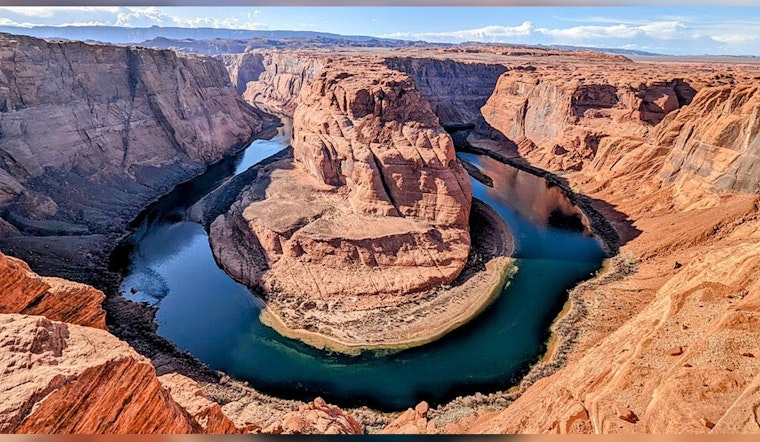
Arizona cities are banding together, with mayors across the state collaborating on an initiative they're calling "Protecting Arizona's Lifeline," in an effort to address the growing challenge over water rights in the Colorado River. Brenda Burman, General Manager for the Central Arizona Project (CAP), highlighted the severity of the situation, stating, "We are facing unprecedented challenges. Two decades of drought, over-allocation and an unwillingness of some to protect its future has put immense pressure on the system," in a statement obtained by FOX 10 Phoenix.
As the debate heats up, Arizona finds itself at a disadvantage. Based on agreements dating back to 1922, with a later revision in 2007, the state is low in the pecking order for this precious resource. The internal strife is exacerbated by varying interests between tribes, cities, and farmers. Sarah Porter, director of the Kyl Center for Water Policy at ASU's Morrison Institute, illuminated the complexity of the matter, saying, "And they don't necessarily want to do things to take cuts to help Phoenix or Tucson, and it's not even clear the cities agree on what should be done," as reported by FOX 10 Phoenix.
Meanwhile, the reality of ongoing water cuts was brought to the forefront by federal officials, with the Bureau of Reclamation announcing the continuation of Tier 1 water allocation cuts for the fifth consecutive year. The persistence of drought conditions led to this decision aimed at conserving the dwindling water levels of Lake Mead. According to AZ Mirror, "Federal water managers decide shortage levels each year in August, based on projected water levels at Lake Mead and Lake Powell for the start of the following year."
The impacts of these cuts on states like Nevada and Arizona, as well as our neighbors to the South, Mexico, are significant. Arizona, in particular, will lose 18% of its annual allotment of Colorado River water. In the face of these cuts, David Palumbo, the Bureau of Reclamation’s acting commissioner, emphasized the urgency of the situation, asserting in a statement, "We must develop new, sustainable operating guidelines that are robust enough to withstand ongoing drought and poor runoff conditions," as per AZ Mirror.





