

























































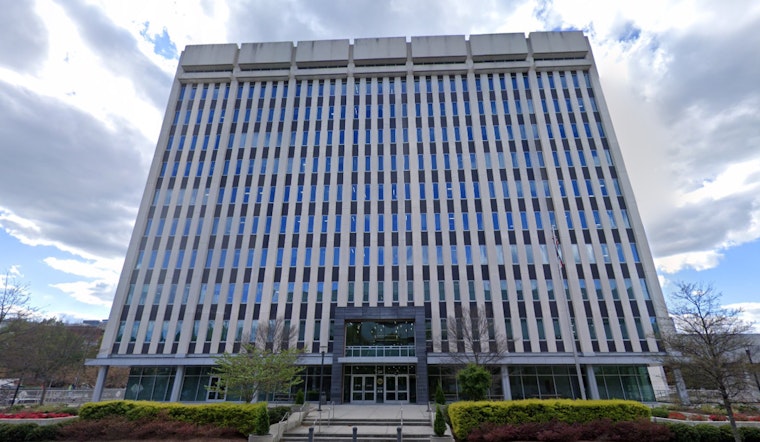
The North Carolina Office of the State Auditor (OSA) has released a set of audits that shine a less-than-flattering light on the state's Division of Motor Vehicles (DMV). According to the reports published by the OSA, the customer and employee experience at the DMV has dramatically declined, with the DMV's relationship to the Department of Transportation (DOT) pinpointed as a significant issue contributing to the dysfunction.
Findings from the OSA performance audit, as explained in a report obtained by the auditor's office, outline a series of problems: average wait times are now clocking in at an hour and fifteen minutes, marking an increase of 15.5% since 2019, and the number of visits that blew past the 2.5-hour wait skyrocketed by about 79% since 2019. Making matters worse, the audit shows that staffing is egregiously inadequate to accommodate the growing needs of North Carolina's population, which has seen a 29% increase over the past two decades, while the number of driver license examiner positions grew by a meager 10%.
State Auditor Dave Boliek made it clear that addressing these issues is a pressing concern. "I pledged to audit the DMV to get to the root cause of its failure, and the reports dealing with licensing procedures and information systems are now complete," Boliek stated, as reported by the North Carolina Office of the State Auditor. The audit team has pinpointed opportunities for the DMV to "course correct" and better serve the citizens of North Carolina, he explained.
Worse yet, DMV employees are feeling the strain, with only 47% believing the agency fosters open communication, while 43% hold negative views of leadership support. Low salaries and burnout are rampant, with the average salary for examiners hovering below $50,000, whether in rural or urban settings. In Harnett County, the audit found there is only one examiner tasked with serving over 56,000 residents, shedding light on an unsustainable workload that has left around 160 vacancies unfilled across the state.
Additionally, the report from the OSA suggests that the DMV is underrepresented in the DOT's priorities, finding that DMV generates 30% of DOT's revenue but only sees 2.8% of those expenditures returned in its direction. Only two of the 45 performance milestones in the DOT's strategic plan for 2023-2025 relate directly to DMV operations. Moreover, the DMV has been excluded from vital modernization initiatives and is in dire need of an independent strategic plan, according to the audit.
To remedy the structural woes outlined in the performance audit, the OSA has put forth five recommendations, including the suggestion that policymakers explore restructuring the DMV as an autonomous entity. This would grant the DMV direct control over its budget and operations—a stark difference from the current governance, where the DMV exists under the DOT's shadow. The report emphasizes the necessity for a centralized performance dashboard, a comprehensive staffing analysis, and the engagement of industry experts to enhance customer service delivery.
The information systems audit, conducted alongside the performance audit, reveals that despite the $42 million poured into 46 projects since 2014, customer service improvements remain insubstantial. The current, outdated mainframe systems are long overdue for an upgrade, further complicating the DMV's already tangled web of challenges.
Meticulous and comprehensive, the audit process included on-site visits, interviews with DMV and DOT staff, and an in-depth review of strategic plans, statutes, and surveys. With this wealth of data and expert insight from external academia, the OSA's reports not only underscore the urgency for reform but also provide a concrete roadmap to potentially revolutionize the DMV's operations and customer service approach across North Carolina.





