

























































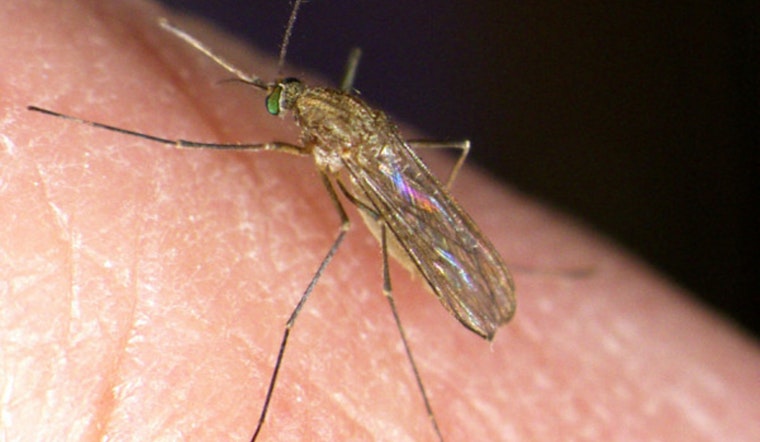
A Travis County resident may be the latest to join the ranks of those affected by the West Nile virus, a concern that Austin Public Health has put forward based on symptoms reported by a patient to their healthcare provider. Awaiting confirmation from the Texas Department of State Health Services, this potential case signals an ongoing battle against mosquito-borne diseases as the area confronts a growing number of positive mosquito pools for the virus. As reported by KXAN, Austin Public Health identified nine such pools by August 4, notably in zip codes 78702, 78723, 78741, and 78701.
In a statement obtained by CBS Austin, Health officials like Dr. Desmar Walkes, Austin-Travis County Health Authority, underscore the importance of preventive measures, especially "as we're spending time outside enjoying the water and the weather." Dr. Walkes reminded residents about "the diseases they can carry," and the resulting need for caution. Last year saw 101 positive tests in mosquito pools in the county, with 33 people falling ill to the virus, and two unfortunate deaths.
According to health officials, the surge in mosquito breeding sites can be attributed to the substantial rainfall this year, prompting warnings for residents to minimize standing water on their properties. Marcel Elizondo, the chief of the Environmental Health Services Division, expressed concern about the ease with which mosquitoes can breed in even the smallest amounts of stagnant water, as noted by KXAN. Austin Public Health has laid out a "four Ds" strategy — Dusk and Dawn, Dress, DEET, and Drain — aimed at guiding the community in protecting themselves from mosquito bites and the potential spread of the virus.
West Nile virus remains the top mosquito-borne illness in the U.S., with about 20% of those infected showing symptoms ranging from mild bodily discomfort to severe neurological effects. To combat the threat, Austin Public Health's recommendations include staying indoors during peak mosquito activity periods, such as dusk and dawn, wearing appropriate clothing, using DEET-based repellents, and, crucially, draining any areas of standing water. Taking heed of these steps could significantly reduce the risk of contracting West Nile virus, a precaution all too necessary for a community currently on high alert.




