

























































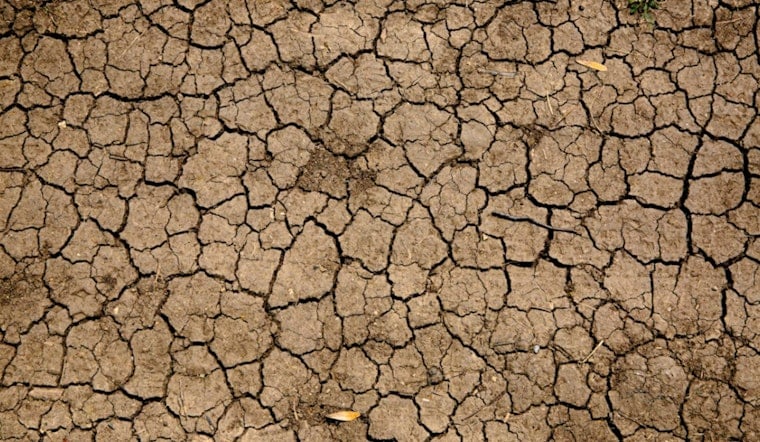
Hawaii's Big Island is grappling with its most severe drought conditions in over a decade, pushing rural communities to their breaking point as ranchers scramble for emergency water access and firefighters battle blazes on parched grasslands. The mounting crisis has prompted urgent warnings from state officials about the deteriorating situation across multiple districts.
State Sen. Tim Richards of Waimea, describing conditions in areas including Waimea, Kohala and Hamakua, told Honolulu Star-Advertiser the situation is "absolutely a crisis." The veterinarian and former rancher's stark assessment comes as several communities face their driest conditions on record, with July rainfall totals plummeting to historic lows.
Record-Low Rainfall Paints Grim Picture
The numbers tell a sobering story across the island. According to Honolulu Star-Advertiser, Hilo International Airport recorded just 3.75 inches of rain in July—its driest since 2010—while Waiakea Experimental Station's 4.7 inches marked its lowest July total in 15 years. Hakalau saw its driest July since 2011 at 1.26 inches, while Kealakomo's 0.4 inches and Waimea's 1.4 inches both represented their second-driest July on record.
National Weather Service hydrologist Tina Stall identified the driest areas as the Kau and Hamakua districts, as well as the leeward lower elevations of Kohala, as reported by Honolulu Star-Advertiser. The prolonged dry spell has left the island with conditions ranging from abnormally dry to extreme drought.
Emergency Water Access for Struggling Ranchers
The crisis has moved beyond statistical concern to practical emergency for Big Island's agricultural community. According to Hawaii Tribune-Herald, Hamakua ranchers are running out of stock water, prompting officials to grant permission to tap into the Waimea water system run by the state Department of Agriculture for emergency livestock water access.
Richards explains the cascading effects: "Because of our tropical grasses, most of our livestock get almost half of their water through grazing. But when it's really dry, the demand for water almost doubles because the livestock gets water from the grass itself," as mentioned on Honolulu Star-Advertiser. The strain extends beyond livestock, with commercial water haulers reporting continuous demand as communities struggle with depleted catchment systems.
Fire Danger Escalates with Recent Blazes
The absence of rain has left many areas prone to wildfires, a risk that materialized dramatically last week. As detailed by Hawaii Tribune-Herald, a brush fire on parched pastureland near Paauilo blackened about 150 acres, requiring both county helicopters for water drops and bulldozers to cut fire breaks. Another brush fire was reported in the area mid-afternoon Friday, causing a road closure on Highway 19 between the 36 and 39 mile markers.
The Big Island has experienced several red flag warning days in the past month—the same abnormally arid and windy conditions that increase fire hazards similar to those when Maui experienced catastrophic fires two years ago that left more than 100 people dead. These conditions have heightened concerns about wildfire vulnerability across drought-affected areas.
Long-Term Outlook Remains Uncertain
Hawaii County Civil Defense administrator Talmadge Magno estimates current rainfall is "probably about 50% under what we're supposed to have," according to Honolulu Star-Advertiser. Officials warn they're "about halfway through the dry season, so we've got a ways to go yet." The emergency has highlighted the vulnerability of off-grid communities relying on rainwater catchment systems.
Civil Defense officials are monitoring catchment water supplies and ensuring adequate water distribution points for haulers while encouraging people to "order water early, before they run out." As the dry season continues into its peak months, Big Island residents face an uncertain period where emergency water measures, heightened fire vigilance, and agricultural adaptation will determine how communities weather this deepening crisis.





