

























































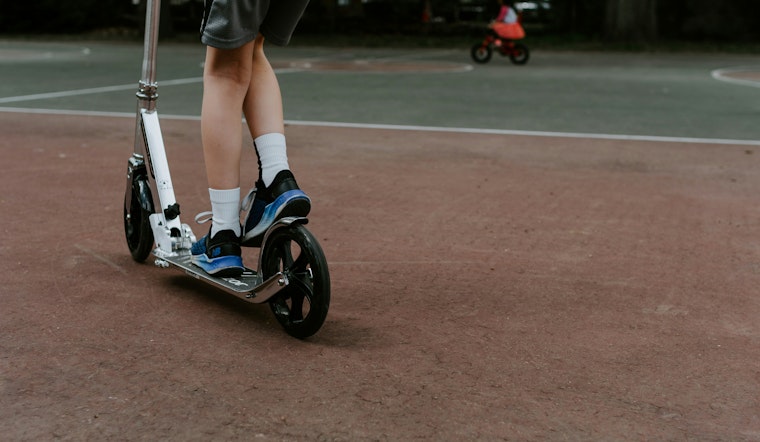
Boulder City officials are preparing comprehensive new regulations for bicycles, electric bikes, and scooters as part of a growing statewide trend to address safety concerns with modern transportation devices. The proposed ordinance aims to establish what city officials describe as strong, comprehensive regulations for various wheeled devices that address circumstances not covered by existing state law.
The regulatory push comes as safety concerns mount across Nevada. According to data from legal experts, e-scooter and e-bike injuries soared in 2022, with injuries increasing nearly 21%. Injuries from motorized devices were up nearly 23% each year since 2017, with 46% of e-bike injuries occurring in 2022 alone.
Boulder City joins a broader Nevada movement toward updated micromobility regulations. Legal analysts note that on May 21, 2025, the Clark County Commission released a new county ordinance that amended laws and regulations relating to e-vehicles to the Clark County Code of Ordinances. Cities within the county, including Boulder City, may have different guidelines from the county regulations.
Educational Foundation Already in Place
Boulder City has already taken proactive steps to address safety concerns through education. According to the city's official website, Boulder City Police and Fire Departments have teamed up to educate residents, creating a webpage about safety and what wheels kids can and cannot operate. The goal of this effort is safety and education, as motorized devices are growing in popularity, especially with teens, but many parents don't know the legalities or the dangers.
Police receive several calls monthly from concerned residents who see teens riding devices as fast as vehicle traffic, not looking both ways before crossing streets, or not obeying stop signs. The educational materials emphasize that it can be difficult to tell the difference between each item, especially those with motors, and Nevada law is very specific about the requirements.
Nevada's Regulatory Framework
Nevada treats electric bicycles similarly to traditional bicycles, meaning no license, registration, or insurance is required under state law. However, legal experts explain that e-bikes are subject to unique regulations under NRS 484B.017 and SB 383 from 2021. The legality of riding a bicycle on sidewalks in Nevada varies by municipality, with some areas permitting sidewalk riding while others restrict or prohibit it.
Nevada's three-class e-bike system provides the state framework that Boulder City's new ordinance would build upon. Class 1 e-bikes use motor assist when pedaling and shut down at 20 miles per hour. Class 2, the most common e-bike, can operate with electric motor only or may use pedal assist, with the motor shutting down at 20 miles per hour. Class 3 can only use motor assist while pedaling and shuts down at 28 miles per hour.
Safety Concerns Drive Local Action
The Centers for Disease Control and Prevention recommends that any person, any age, on any small, lightweight moving device, self-propelled or motorized, wear a helmet. Properly fitted helmets can reduce the risk of head injury in a crash by 85%, potentially preventing traumatic brain injuries, concussions, or even death.
Currently, Nevada law does not require bicycle helmets for cyclists of any age, though helmets are required for motorcycle and e-bike riders in certain circumstances. The city's existing safety guidance emphasizes following traffic rules, including speed limits and stop signs.
Boulder City's proposed ordinance represents the city's effort to create a comprehensive framework that goes beyond state requirements, addressing local concerns about safety and device management. As Boulder City joins other Nevada communities in updating their mobility device regulations, the upcoming ordinance continues the city's proactive approach to managing challenges posed by the evolving landscape of personal transportation devices.





