

























































California's long-awaited audit of state telework policies promises to quantify substantial taxpayer savings as Governor Gavin Newsom's administration continues battling employee unions over return-to-office mandates. The comprehensive review comes as SEIU Local 1000 successfully delayed the governor's 4-day office requirement until July 1, 2026.
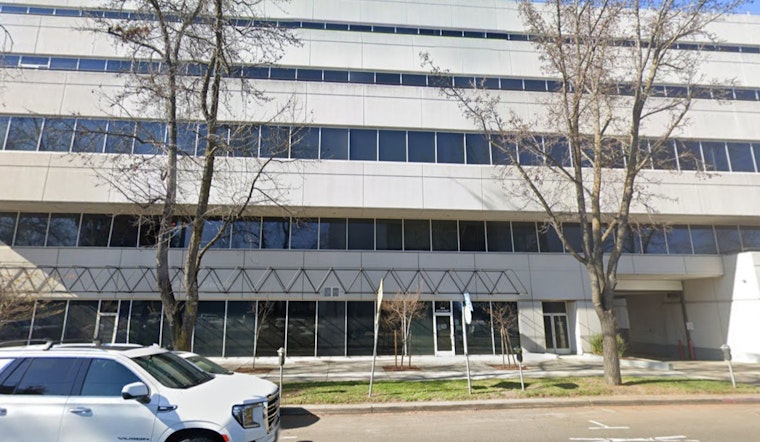
The financial stakes are enormous. CalMatters reports telework has already saved taxpayers a projected $22.5 million in relinquished office leases, with savings expected to nearly quadruple to $85 million annually. The Department of General Services manages 59 state office buildings spanning over 13 million square feet, spending over $600 million yearly on rent.
Union Resistance Forces Delay
The audit arrives amid escalating tensions between the Newsom administration and state employee unions. CalMatters reported that Newsom initially ordered all state agencies to mandate employees work in office 4 days a week starting July 1, but faced fierce resistance. SEIU Local 1000 and President Anica Walls filed a lawsuit challenging the mandate's legality, arguing it violated state law by imposing workplace policy without proper authority.
"State workers successfully transitioned to telework during the pandemic, saving taxpayer dollars, reducing pollution, and improving service delivery," SEIU Local 1000 President Anica Walls stated. The union's legal challenge proved effective, forcing the administration to postpone implementation by a full year.
Massive Workforce Impact
The scale affects nearly half of California's state workforce. CalMatters reports about 95,000 employees continue working remotely or in hybrid capacity out of California's total state workforce of more than 224,000 people. As of December 2023, the Legislative Analyst's Office found 46 percent of state workers telework at least a portion of their week.
Republican Assemblyman Josh Hoover of Folsom requested the audit through the Joint Legislative Audit Committee. "Telework can potentially reduce this footprint and provide substantial budget savings," Yahoo News quoted Hoover as writing. He noted state telework has "reportedly eliminated nearly 400,000 metric tons of carbon emissions, reduced traffic congestion, and saved workers hundreds of dollars per month in vehicle expenses."
Comprehensive Audit Scope
The California State Auditor will examine whether the Department of General Services could achieve savings by reducing office space for teleworking employees. The audit will analyze vehicle mileage, operational costs, emissions, commute time, worker productivity including sick and vacation leave usage, and the state's ability to achieve net-zero greenhouse gas emissions.
The Professional Engineers in California Government, representing 14,000 state engineers, architects, and geologists, strongly supports telework. CalMatters reported many members value "the convenience, savings and work-life balance telework provides" and "above all else, our members have appreciated the implicit trust that they can stay home and still serve Californians."
Budget Pressures Drive Policy
The telework debate occurs amid broader state budget pressures. CalMatters reported Newsom's January budget proposal sought to save $51 million by terminating telework stipends provided to many public employees since the pandemic. However, the Legislative Analyst's Office determined the actual General Fund savings would be more modest at $26 million in 2024-25.
Hoover sought the audit after hearing constituent concerns about return-to-office plans. "Many of them made a good point that a lot of this work can be done using telework and they have been doing it effectively," Yahoo News quoted the assemblyman. With the mandate delayed until 2026, the audit findings may ultimately determine whether California embraces telework as a long-term cost-saving strategy or continues pushing workers back to traditional office settings.





