

























































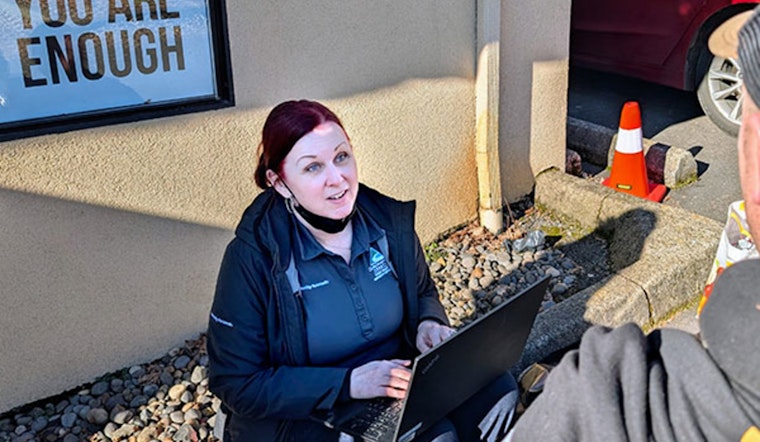
In Clackamas County, strides are being made to combat homelessness with a hands-on approach that intertwines healthcare and housing. Community paramedic Jamie Breunig is at the forefront of this initiative, providing much-needed emergency and primary care to the medically underserved—a calling that extends beyond basic medical attention. The Oregonian/Oregon Live highlighted how Breunig's dedication recently helped a client named Sheri, who, after months of support, transitioned from living on the streets to a permanent apartment in June 2025.
During a typical day, Paramedic Breunig engages in a myriad of activities - dressing wounds, performing health checkups, and facilitating access to healthcare and transportation. Beyond these tasks, she refers clients to housing programs, embodying Clackamas County's holistic strategy for addressing the needs of its homeless population. As Breunig expressed in a statement obtained by The Oregonian, "This work isn't just about healthcare," she said. "It’s about giving people the chance to succeed in housing and life by addressing needs holistically."
Integrations of health and housing structures within the county have been gaining momentum for the past two years, showcasing a forward-thinking recognition of how intertwined housing stability is with one's health. Programs like the Stabilization Center not only provide mental health support but also offer transitional housing, which, along with the community paramedic program, is a testament to the county’s commitment to this cause.
The approach is also economically beneficial, slashing costs related to emergency services. The community paramedic initiative, as described by Clackamas County's announcement, "saves money by reducing 911 calls, ambulance rides and emergency department visits." Funding through the regional Supportive Housing Services Measure validates county efforts to put an end to homelessness while underlining the crucial nexus between stable housing and overall wellness.



