

























































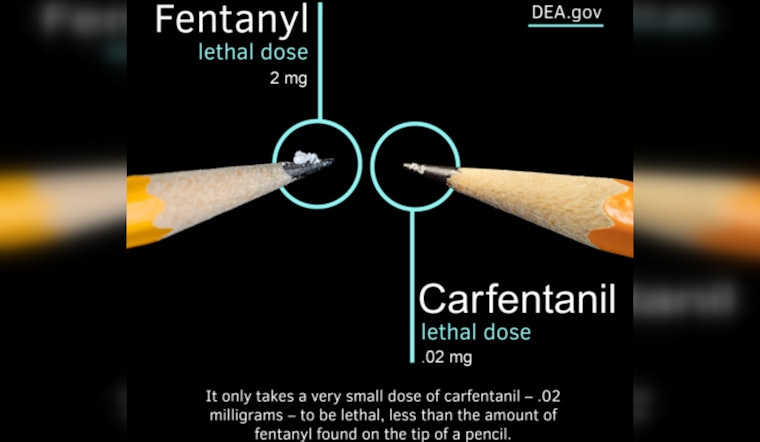
The DEA is sounding the alarm about a troubling uptick in carfentanil presence, a synthetic opioid far deadlier than its infamously lethal cousin, fentanyl. As shared in a report by FOX 10 Phoenix, Cheri Oz, the U.S. special agent in charge of the DEA's Phoenix Field Division, confirms that Arizona is experiencing a "boom" in carfentanil trafficking. According to Oz's statements, this drug is "100 times stronger than fentanyl" and has seen a significant resurgence, with a whopping 70% of the past year's million-seized carfentanil pills in Arizona confiscated just this month.
Phoenix, stationed alarmingly close to the border, serves as a conduit for this potent drug, propelling it deep into the heart of America. Oz urgently warned, "If you try a pill, and it has carfentanil, you don't have a chance." The drug's potency is such that an attempt to experiment could be a one-way journey towards fatality. With schools about to reconvene, Oz's concern is heightened for the youth, urging conversations around the dangers of taking pills and recommending the precautionary presence of Narcan despite it possibly being ineffective against the sheer strength of carfentanil.
In a companion piece, the DEA laid bare the unsettling statistics surrounding carfentanil. An article published on their website notes a sevenfold increase in carfentanil-related deaths within the span of a year. Originally devised to tranquilize elephants, the substance is now perilously masquerading as more benign pain medications in the illicit drug market, deceiving users with its prescription-pill guise. This grave misrepresentation has played a part in the opioid epidemic's ever-tightening grip on the nation.
Due to its lethal concentration, the window for reversing an overdose is frighteningly narrow. While naloxone remains the frontline antidote for opioid overdose, carfentanil presents a formidable challenge, often necessitating multiple, higher doses, with no guarantee for a successful intervention. The DEA underscores the importance of public education to fend off overdoses and provides a stark reminder: "One Pill Can Kill." They stress avoiding illicit drugs, seeking immediate help in suspected overdose cases, and advocating for informed caution concerning synthetic opioids and their inherent risks.





