

























































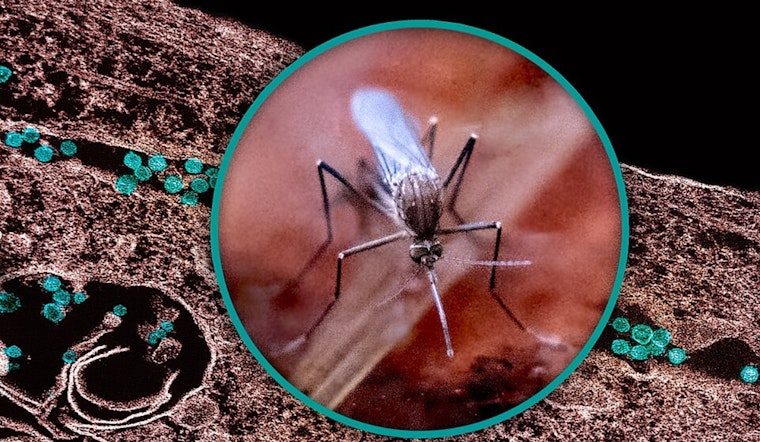
The Denver Department of Public Health & Environment (DDPHE) is sounding the mosquito alarm with the confirmation of the first human case of West Nile virus in 2025. Those buzzing pests aren't just ruining your picnics; they're potential carriers of a virus that, while often mild, can escalate to severe neurological illnesses for some. The first reported case comes as a timely reminder that preventive measures are not only wise but crucial.
In a city where the great outdoors is as much a part of life as the air we breathe, officials are calling for residents to be vigilant against these flying vectors of disease. West Nile virus is a seasonal visitor, worming its way into our lives when mosquitoes punch in for their May to fall shift, though they're busiest at the height of summer, according to DDPHE. That's bad news for anyone who favors dawn or dusk for their outdoor moments; that's mosquito prime time.
Renewed consciousness around standing water in our neighborhoods can't be overstated. Old tires, plugs, and miscellaneous containers are nurseries for mosquito moms, prompting DDPHE to underscore the elimination of stagnant water sources as a top defense strategy. As for personal protection? The department recommends wearing long sleeves and pants during risky hours, using effective insect repellents like DEET, and ensuring homes are fortified against winged invaders with proper window and door screens.
West Nile virus doesn't always make itself known with glaring symptoms; some of us might brush it off as a fleeting fever or a relentless headache. However, in a statement obtained by the DDPHE, residents are advised to get checked out by a healthcare provider if they’re experiencing anything out of the ordinary, especially considering the potential severity for those over 50 or with weakened immune systems.





