

























































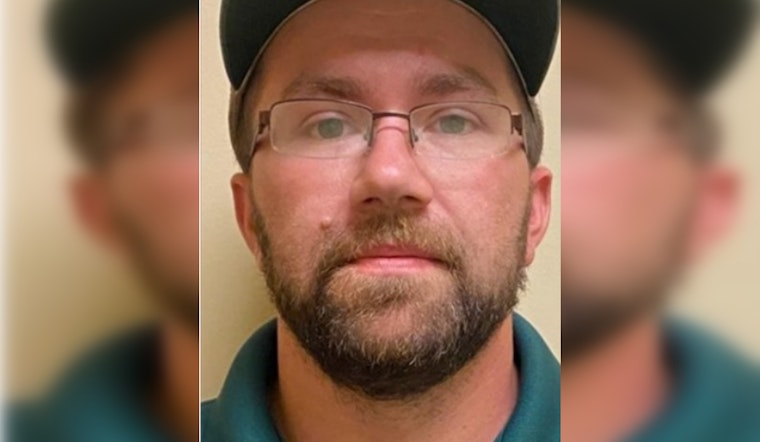
The Duluth Police Department has issued a notification to the public regarding Robert Charles Lynn Norton Turner, a high-risk predatory offender who has relocated within the community. According to the official release, Turner was convicted of engaging in sexual contact with a known female child, an offense for which he served time and has since been released.
Turner, a white male born on November 29, 1990, intimidates with an unsuspecting average build – 5'9 in height and 179 lbs. His physical identifiers include brown hair and brown eyes. The Eveleth Police Department was responsible for investigating the incident that led to his conviction under the registration statute 609.343. Moreover, Turner's sentence has expired, and hence no supervision agent has been assigned to his case.
Authorities have emphasized that the purpose of this notification is to enhance public safety and awareness, not to provoke fear. The Duluth Police Department conveyed that an informed public is considered a safer public. As per the public document, "The individual who appears on this notification has been convicted of Criminal Sexual Conduct or another offense that requires registration with law enforcement pursuant to Minnesota Statutes 243.166 or 243.167."
The notification assures that while Turner is transitioning into the community post-incarceration, the police do not have the authority to dictate his residency or employment. Additionally, the police alert to the public includes a warning against using this information to threaten, harass, or intimidate Turner, with such actions being potentially prosecutable offenses. The notification highlights that such abuses could jeopardize the continued ability of law enforcement to provide these vital community notifications.
Members of the Duluth community seeking additional information on personal safety or wishing to report any criminal activity involving a registrant are encouraged to contact the Duluth Police Department at 218-730-5400 or dial 911 for immediate assistance. The law enforcement's strategies are a testament to a societal commitment to vigilance and the protection of its most vulnerable, signaling a profound obligation to both justice and mercy.




