

























































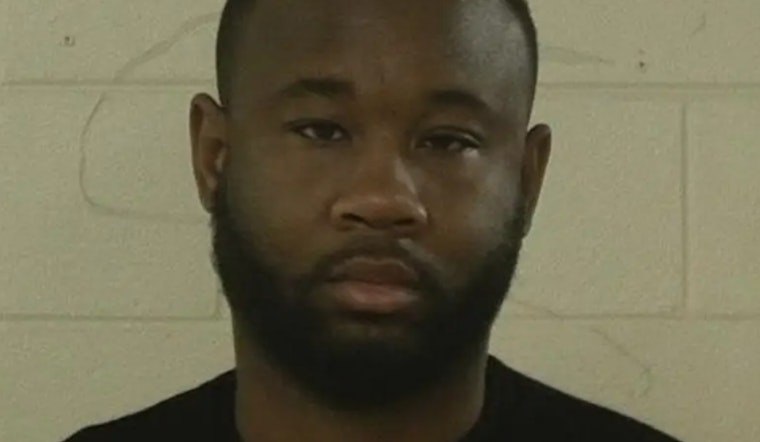
The recent shooting at Fort Stewart, which left five soldiers wounded, has once again brought military gun policies under the microscope. Sgt. Quornelius Radford, the suspect involved in the altercation, reportedly used a personal handgun to unleash havoc within the 2nd Armored Brigade Combat Team's vicinity. In a herculean act, fellow service members tackled the gunman, a move lauded by Army officials for likely curtailing additional casualties, according to Fox News Digital. They managed this despite existing policies that prohibit them from carrying their own firearms on base.
Questions are being raised regarding base security and the effectiveness of firearm policies designed to protect service members and national security. The Department of Defense has maintained these restrictions for decades, preventing the carriage of personal weapons without a senior commander's nod. Soldiers, running to safety, were shown in one social media video, a stark contrast to an armed counteraction one might expect in such crises.
Ret. Army Col. Mike Bumgarner, who once spearheaded emergency protocols at Fort Stewart, indicated that military police would have swiftly responded, adhering to FBI-style protocols for evacuation and barricading, as reported by Fox News Digital. Meanwhile, Radford's chain of command was reportedly unaware of his prior arrest for driving under the influence and failing to obey traffic control, shedding light on possible information gaps in monitoring potential threats.
Experts say that the strict firearm policies on military bases exist for good reasons. Robert Capovilla, with his background in military law, reaffirms the necessity of heightened security to safeguard top-secret operations and information. "You simply don’t want folks walking around a federal installation with personal weapons," Capovilla told AP News, supporting the viewpoint that such measures are pivotal despite their apparent limitations during the shooting.
However, the conversation continues about the balance between the Second Amendment rights of service members and the need to maintain a secure environment. Legal frameworks currently offer scant options for commanders to take preventative action when a service member displays signs of distress or mental health crises. Eric Carpenter, a former military prosecutor and defense counsel, reiterates that these rules are more reflective of broader societal debates on gun policy and the measures at play, which sadly, do not always prevent tragedies such as the Fort Stewart incident, as he disclosed to AP News.
As the Army's Criminal Investigation Division spearheads the investigation into the shooting, with potential assistance from the FBI, the broader implications for military gun policies remain a matter of concern and deliberation. While the detailed procedures within the base may have helped to curtail the damage, incidents such as this have unequivocally reignited the discussion surrounding the reconciliation of individual rights with collective security on military installations.



