

























































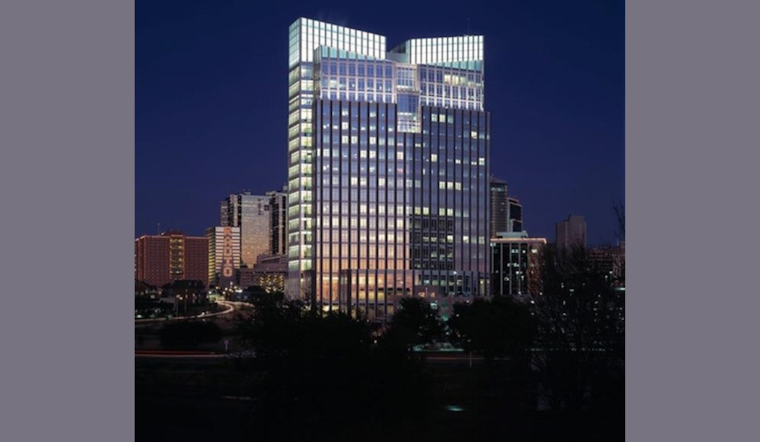
Fort Worth's municipal heart has been beating for over a century, with City Hall's metamorphosis paralleling the city's own growth and architectural zeitgeist. Starting in 1893, the Victorian City Hall set the stage at Throckmorton and 10th streets, a classic representation of an era's penchant for ornament and service, according to an article by the City of Fort Worth.
As times changed, so did the needs of the city, resulting in a 1938 City Hall facelift. This new Classical Moderne structure emerged amidst a Depression-era growth spurt, partially funded by the Public Works Administration and described by the era's regional counsel, Walter A. Koons, as "sturdy, unpretentious, yet impressive." By 2007, it had pivoted to the A.D. Marshall Public Safety & Courts Building — a testament to Fort Worth's practical adaptation of historical spaces.
Enter Brutalism: by 1971, Fort Worth embraced the stark, utilitarian style with an Edward Durell Stone-designed City Hall, centered around an open atrium, signaling the city's modern aspirations. In the true spirit of out with the old, in with the new, this concrete behemoth replaced greenery and water features with landscaped planting areas, ferrying the city's bureaucratic processes through the end of the twentieth century and well into the twenty-first.
Fast forward to 2021, and Fort Worth's house of the people finds a new address in an erstwhile embodiment of corporate excess. The former Pier 1 Imports tower, a structure once celebrated for its corporate chic and later, finding itself a casualty of changing retail winds, now dons the mantle of City Hall. Much like a phoenix from private sector ashes, the tower's reboot — complete with tailored renovations and colorful LED lights.





