

























































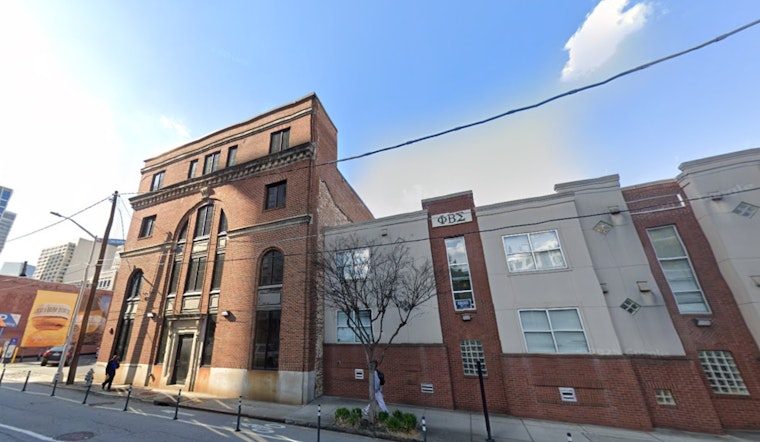
Georgia State University's (GSU) recent decision to demolish a historic building as part of their downtown campus expansion has sparked significant backlash. On Tuesday, the Georgia Trust for Historic Preservation voiced their disapproval loudly, condemning the university's plans to raze the structure at 148 Edgewood Avenue SE, despite its listing on the Georgia Trust’s 2025 Places in Peril and its status as a contributing structure to the Martin Luther King Jr. Landmark District. The building, constructed in 1926 by the Georgia Railway and Power Company, was once utilized for academic purposes following GSU's acquisition of the property in 1966. With plans to develop the space into a green area for the greek life community, GSU has stated their intent to use bricks from the demolished building within the new park and create a mural that commemorates its facade.
In a news release, the Georgia Trust President and CEO W. Wright Mitchell sharply criticized the move, implying that the decision was not only "short-sighted" but also a direct threat to the historical fabric of Atlanta. "Georgia State’s decision to destroy this building, which is structurally sound and architecturally significant, is mystifying," Mitchell told Fox5 Atlanta. He highlighted the building’s historical significance and the contradiction of the plan with GSU's own 2014 Historic Preservation Plan which had favored long-term preservation and adaptive use of the building.
During an interview back in late June, Mitchell expanded on his vision for the property's alternative uses that could serve both the students of Georgia State and the broader Atlanta community. Asserting that the building "belongs to us," Mitchell told Channel 2's Steve Gehlbach, he expressed the potential for adaptively reusing the structure. Despite these calls for preservation, GSU maintains that the building has been vacant for over two decades and that bringing it up to modern standards would necessitate millions in renovations.
The new greenspace is part of a larger vision by GSU, included within their $107 million Building Pathways for Success Initiative that seeks to integrate disparate parts of the downtown campus. According to GSU, the Fraternity and Sorority Life Plaza will feature a paved walkway, grassy lawns, and bench seating areas, aiming to foster recreation and community-building among students. Even with their plans to reuse bricks and preserve a semblance of history, preservationists argue that such measures fall short of the building’s potential. The decision to demolish, they warn, undermines the integrity of Atlanta’s past and the character that these historical sites imbue in the cityscape.





