

























































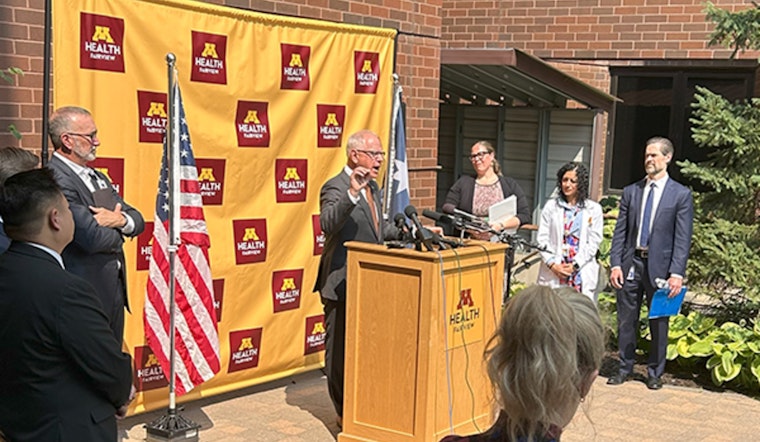
As the 60th anniversary of Medicaid's inception passed, Governor Tim Walz stood in a Maplewood hospital outlining the sobering reality facing Minnesotans in light of recent federal health care cuts. Signed into law by President Lyndon B. Johnson, Medicaid, now six decades strong, is facing changes that could see over 140,000 Minnesotans lose health insurance and a staggering $1 billion in funding vanish from the state's health care coffers within four years of the federal reconciliation bill's implementation, the Department of Human Services reported.
In honor of the program's anniversary, and in response to these cuts, Governor Walz proclaimed July 30 as Medicaid and Medicare Day, but the celebration was marked with concern over increased out-of-pocket costs for enrollees and debilitating strains on hospitals and county governments. "For 60 years, Medicaid has helped Minnesotans live longer, healthier lives - it’s a lifeline for hospitals and clinics across our state," Walz said, “Minnesota will do what we’ve always done: protect access to care, support our providers, and fight for the dignity and health of every Minnesotan - no matter their ZIP code or income." But noted changes at the federal level have made that work much more difficult.
The state isn't just grappling with health insurance upheavals. It's also actively seeking the input of direct support professionals, understanding their critical role in assisting with daily activities for people with disabilities and older adults. Minnesota is gathering data to improve working conditions in the sector through a short survey available until August 29, encouraging participation from individuals in home health and personal care roles. Meanwhile, the Opioid Epidemic Response Advisory Council has good news, recommending 23 organizations for $15 million in new grants to continue the state’s fight against opioid misuse, which has seen a drop in fatal overdoses and an increase in treatment-seeking for opioid use disorder, especially in rural areas.
Moving from health care to cultural inclusivity, the Cultural and Ethnic Communities Leadership Council (CECLC) is expanding its team, seeking new members to advise on reducing disparities affecting racial and ethnic groups. Recruitment is open until August 6 for various representatives, including those from advocacy groups, the American Indian community, culturally specific human services providers, and private industry members. Interested parties are advised to apply through the Minnesota Secretary of State’s Boards and Commissions website, ensuring their voices can help shape the narrative of Minnesota’s diverse population.
Last but certainly not least, Governor Walz has indicated that a special legislative session might not be necessary to address the Medicaid cuts. Instead, the state is preparing a work verification system through collaborations with DHS and the 87 counties administering Medicaid eligibility, MinnPost reported. Notably, the implementation of this new system could soon become another hurdle, as an anticipated 320,000 Minnesotans may face work reporting requirement rules, or about 23% of the state's Medicaid population.





