

























































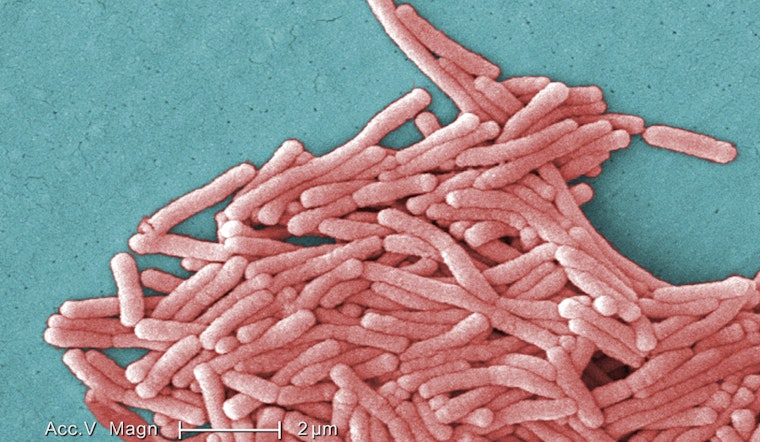
In Harlem, the impacts of a recent Legionnaires' disease outbreak are being felt just as residents face the daunting threat of steep Medicaid cuts—a double blow to a community already struggling with health disparities. Stephanie Tribble, a Harlem resident suffering from pneumonia, shared with ABC7NY her severe symptoms amid the outbreak, saying, "My body is hurting really bad." Her fears are set against a background of nearly 70 infections and three deaths reported due to the disease since July 25, according to the New York City Health Department.
The concurrent health crisis and impending Medicaid cuts form a brutal one-two punch for New York City's most vulnerable. The "One Big Beautiful Bill Act" signed by President Donald Trump is poised to severely strain the city's ability to respond to public health crises, as amNewYork reported. With the twin pressures mounting, Dr. Michael Sparer of Columbia University’s Mailman School of Public Health described the situation as "potentially an enormously risky" for New Yorkers, highlighting that low-income neighborhoods like Harlem are expected to bear the brunt of future crises.
These risks are not merely projections—real people are currently grappling with the repercussions. Dr. Aaron Glatt told ABC7NY that Legionnaires' is hard to detect, a fact that can to only amplify the anxiety for residents like Tribble, who already suffer from conditions like asthma that can exacerbate the effects of such diseases.
The fallout from policy decisions in Washington is already casting long shadows over New Yorkers' lives. The Congressional Budget Office estimates that Trump's tax cut and spending law will cause 10 million Americans to lose their health insurance, with significant ripple effects expected to hit local economies. Critical service providers in hard-hit communities are sounding alarm bells, with Zach Hennessy, chief strategy officer at Public Health Solutions, telling amNewYork how the legislative changes are poised to disrupt lives by requiring New Yorkers to have to certify their Medicaid eligibility twice a year and meet new work requirements.
Local hospitals such as Harlem Hospital Center and Metropolitan Hospital Center face potentially massive service reductions, as they are heavily reliant on Medicaid and government appropriations for funding. Simultaneously, local organizations are bracing for increased demand amid reduced public resources. Fears are escalating among those who will likely face severe difficulties navigating the new healthcare landscape—a concern highlighted by Michael Walker, a local business owner, who plans to hire additional staff to assist residents through the challenges.
Meanwhile, frontline mental health services providers like Dr. Kristy-Lee Jean-Pierre of The New York Foundling express concerns about already long waitlists for youth mental health services, cautioning that policy-induced strains could lead to "very real" tragedies if access worsens. Amidst uncertainty, the challenge now lies in ensuring Harlem and other vulnerable communities do not fall through the widening cracks of America's healthcare system, as reported by amNewYork.





.jpg)