

























































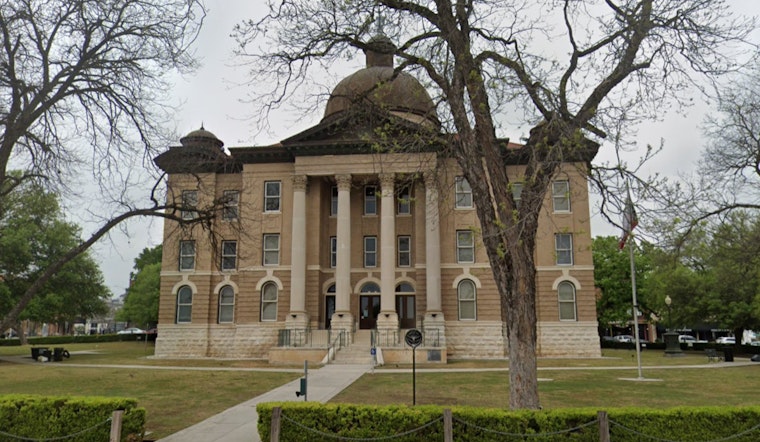
Hays County officials are gearing up to address salary-related concerns raised by elected officials in the upcoming public hearing of the Salary Grievance Committee. The meeting, which is set to take place on September 3, 2025, will be held in Room 301 of the Hays County Courthouse, San Marcos, Texas, according to a public notice issued by the county.
The agenda includes a roll call, a presentation from counsel on the committee procedures, and hearings regarding grievances filed in response to the Fiscal Year 2026 budget. In what may be an intense session, the committee will deliberate on the grievances before casting their votes by paper ballot or other methods deemed appropriate by the committee membership. An important aspect of this process is its transparency, ensuring that the deliberations are open to public scrutiny and input.
As per the notice, any elected officials who have grievances against the proposed budgets for their offices will have the opportunity to present their cases before the committee. Once the hearings are concluded, the Salary Grievance Committee will engage in discussion before making its final decision for each case. This procedural approach to addressing salary disputes provides a formal avenue for officials to air and resolve their financial contentions.
The proceedings are scheduled for a 1:30 P.M. start, marking yet another occasion where local governance is in the hands of its constituents. Hays County emphasizes its commitment to accessibility, inviting individuals who need special assistance, such as auxiliary aids or interpreters for the hearing impaired, to reach out to the Hays County Judge’s Office well in advance. This call to action demonstrates an adherence to the Americans with Disabilities Act (ADA) and a move towards inclusive civic participation.
The county assures that all efforts will be made to accommodate valid requests irrespective of when they're received, although a minimum of three business days' notice is recommended. The meeting has been posted in compliance with the Texas Open Meetings Act and the Texas Local Government Code, underscoring the county's mandate for openness in its governmental dealings. It stands as a prime example of the local administrative processes in action, one that will likely be watched by constituents keen on understanding the dynamics of public sector compensation disputes.



