

























































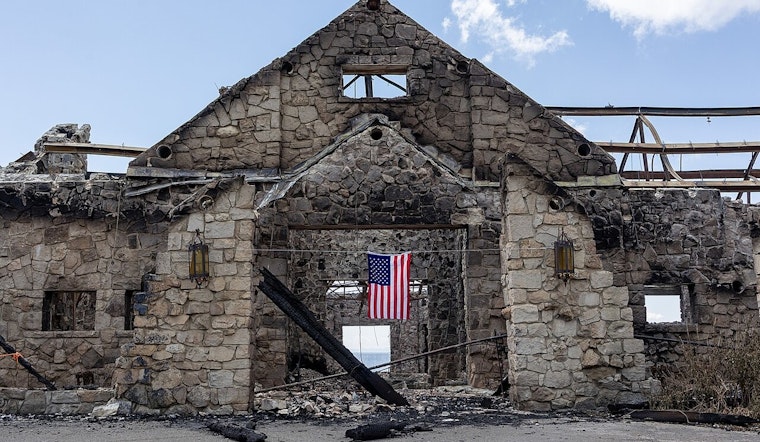
The Grand Canyon's North Rim is presently enduring the Dragon Bravo Fire, which has now consumed a staggering 130,000 acres of land, earning it the unwanted title of the largest fire ever to blaze through the region. Despite the fire's relentless spread, tourists continue to visit the Grand Canyon, one of the nation's most frequented national parks, with visitors from places as diverse as Saint Louis, the Czech Republic, Virginia, Daejeon in Korea, Washington, D.C., and Germany. According to a FOX 10 Phoenix report, the blaze has brought down 70 structures, including the North Rim's historic Grand Canyon Lodge, affecting the plans of many, including German traveler Frank Tahhan, who remarked, "We was booked on the North Rim in the lodge. And we get this notice that it's not possible anymore to enter. And the lodge is destroyed."
In Fredonia, residents voiced their dissatisfaction with the handling of the Dragon Bravo Fire, concerned over the decisions made in the fire's nascent stages when it was allowed to burn unfettered. Based on a KJZZ report, a town hall meeting turned into a forum for airing grievances, as locals expressed a sense of being out of the loop on efforts to manage the blaze. The U.S. Forest Service's Doug Ruppel conceded that an After Action Review is warranted, but maintained that "firefighters are not always able to address a fire right away." His reasons ranged from resource scarcity, remote locations, to significant danger to firefighting personnel.
Challenges have continued to hamper suppression attempts, with difficult terrain and inhospitable weather conditions frequently working against the firefighting crews. Incidentally, a video acquired by fire personnel demonstrated how fierce winds, with gusts reaching up to 35 miles per hour, exacerbated the flames during a red flag warning on July 31. "We saw a jump of 20,000 acres in a single day," said Lisa Jennings, a Southwest Incident Management public information officer, in the FOX 10 Phoenix interview. Due to these winds, the Grand Canyon not only serves as a firebreak, but it also funnels winds and creates challenging weather conditions for firefighting efforts.
The scale of the operation to manage the Dragon Bravo Fire is substantial, with approximately 140,000 gallons of water being employed daily in attempts to quell the spread. As firefighting efforts persist, Doug Ruppel urges patience from the local community, stating, "And so I don’t want to second guess what happened at that moment, that will come out in the AAR and again all I can do is ask you to be patient and continue to engage with the Forest Service and the park service as we go through that process," as he told KJZZ. The unfolding situation at the Grand Canyon serves as a stark reminder of the complications inherent to wildfire management in such rugged and iconic American landscapes.





.jpg)