

























































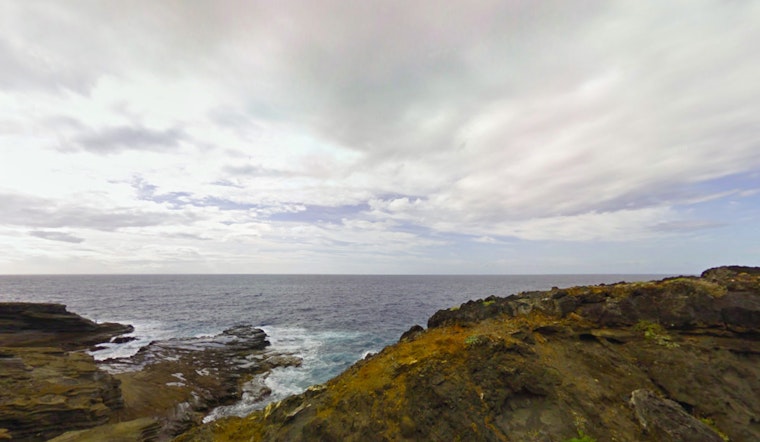
For those wondering what the weather's got in store for Hawaii, the National Weather Service in Honolulu has forecasted a continuation of warm and humid conditions across the islands. As per their latest report, a weakened high-pressure ridge will allow the remnants of Tropical Cyclone Gil to influence island weather over the next several days. If you're hoping for a refreshing breeze, don't hold your breath – the trade winds are easing off, which may disappoint windsurfers and sailors alike.
But it's not all still air and sticky heat; showery relief is on its way, according to satellite imagery studied by the weather experts. The remnants of Gil, passing just north of Hawaii, could cause occasional heavy showers, particularly "along the Kona slopes of the Big Island" as reported by the NWS. Meanwhile, Tropical Cyclone Henriette is eyeing a similar path, which means the lighter winds and very warm climes are bound to stick around from Sunday through Monday.
In the aviation sector, cloud cover is expected to cause occasional mountain obscurations across the Hawaiian Islands, though current conditions do not yet warrant the issuance of an AIRMET. Pilots should remain alert during the afternoon hours through Thursday, as light winds and prevailing sea breezes continue to influence local weather patterns and may affect visibility near elevated terrain.
Mariners aren't left out of the loop either, with the weakened trades affecting the seas. The NWS forecast hints at Small Craft Advisory conditions around Maui and Big Island waters come Thursday and Friday, though. And there's something to look forward to for surfers: a south swell that's expected to perk up surf to High Surf Advisory levels, potentially flirting with High Surf Warning heights over the weekend.
As for the threat of wildfires, increased humidity has doused those concerns for the moment. The NWS indicates "humidity levels will increase dramatically through Thursday as a tide of tropical moisture sweeps into the islands." So if you're in Maui or the Big Island, don't be surprised to see that inversion layer climb up to a lofty 8,000 to 9,000-foot elevation.
Lastly, no weather alerts or grim warnings are on the horizon – a reprieve from nature's more ferocious whims. Keep tabs on local weather conditions if you're planning outdoor activities or travel, and always consider checking with the National Weather Service in Honolulu for the most up-to-date information.




