

























































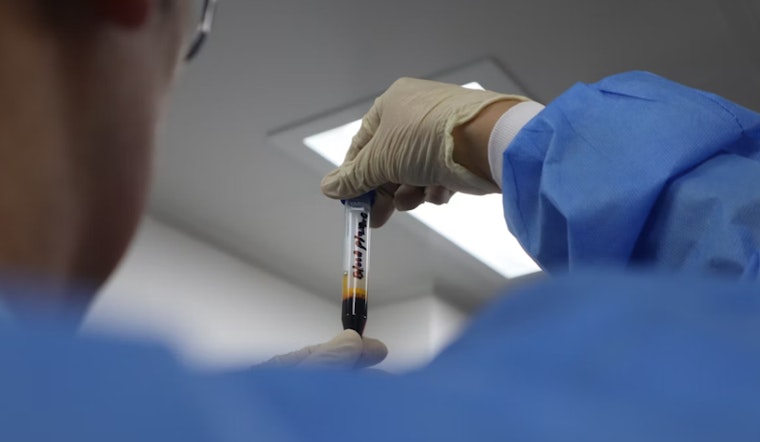
In a significant breakthrough that could transform how post-traumatic stress disorder (PTSD) is diagnosed, researchers from the University of Tennessee, Knoxville's Tickle College of Engineering, together with the UT Institute of Agriculture, have been developing a cutting-edge sensor. This tool is designed to detect a range of biomarkers associated with PTSD in blood samples – a step forward from the subjective methods currently in use. As reported by the university's news outlet, this collaborative effort also involves CFD Research Corporation, which has been working alongside the military to find low-cost, minimally invasive tools for diagnosing complex conditions.
About 6% of the U.S. population, and nearly 30%, of combat-exposed military veterans experience PTSD, says the U.S. Department of Veterans Affairs. The present diagnostic process relies heavily on patient self-reporting, which is both subjective and variable. "With PTSD, diagnosis is complicated. Every patient’s condition is different," Jayne Wu, a professor at UT Knoxville, told the university's news service. Wu, along with Shigetoshi Eda, shifted focus from aiding dairy farmers in diagnosing cattle diseases to using their handheld biosensor for detecting PTSD in humans.
The biosensor employs AiCAP technology, a method that moves bioparticles toward sensors that can identify multiple disease-causing microbes. Expanding this patented system, the team has created a sensor that can identify an array of over a dozen PTSD-related biomarkers off of a single blood sample. "Usually, you need a different detector for each type of biomarker," Eda said in the university's publication. "Jayne’s approach within AiCAP allows you to detect different types of biomarkers using a single device." This capacity to multitask biomarker identification stands to enhance multiomics – analyzing various biological data concurrently to understand the function of living organisms.
The work is progressing towards FDA approval with ambitions to diagnose a wider range of conditions including organ damage, cancer, and sepsis. David Gaddes, a CFD Research researcher, emphasized the importance of collaboration between academic researchers and industry. "It’s very valuable for industry and university researchers to collaborate," Gaddes told the university's news service. Researchers hope to deploy the device rapidly once it obtains FDA clearance, looking to scale up production and maintain affordability and portability.
The potential impact of this technology extends to personalized medicine as well. Wu indicated that although more research is needed to solidify the link between biomarkers and treatment strategies, the sensor could be a vanguard in the development of tailored care. "PTSD is a great example to demonstrate the potential benefits of our sensor array in furthering personalized medicine," Wu mentioned, as per the university's news. The innovation aims to not only advance treatment for PTSD but also other multifaceted medical conditions.





